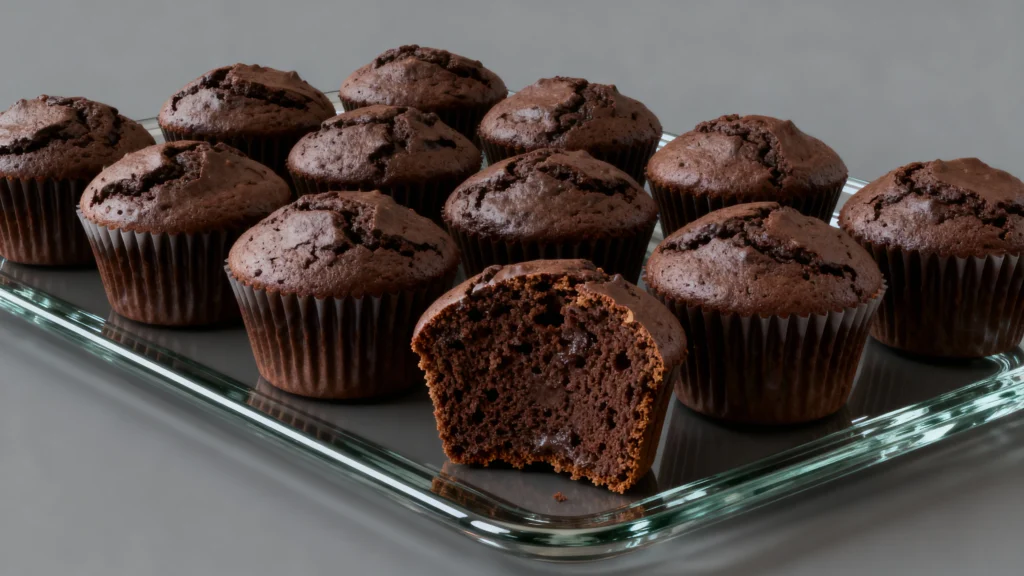
We remember the first time we poured warm chocolate icing over a sheet cake. It felt like a small kitchen miracle. Baking for a crowd can be nerve-wracking, but this Texas sheet cake recipe is our go-to for big flavor with zero fuss.
This page offers a friendly guide to making a one-pan chocolate sheet cake recipe. It comes out tender and deeply chocolatey every time. We use common pantry staples, clear steps, and practical tips for both beginners and seasoned home cooks.
Key Takeaways
- One-pan method delivers moist, tender crumb with minimal cleanup.
- Hot, pourable chocolate icing creates the classic glossy finish.
- Simple pantry ingredients—no fancy equipment required.
- Scales well for parties, potlucks, and make-ahead dessert needs.
- Easy to adapt: add nuts, chocolate chips, or try gluten-free swaps.
Why This Easy Texas Sheet Cake Recipe Works Every Time
We adore a cake that’s quick to make, feeds lots of people, and tastes like it’s from a bakery. This Texas sheet cake recipe hits all those marks. It’s easy to make, has a soft texture, and the hot chocolate icing makes it glossy and rich.
Key characteristics of a classic Texas sheet cake
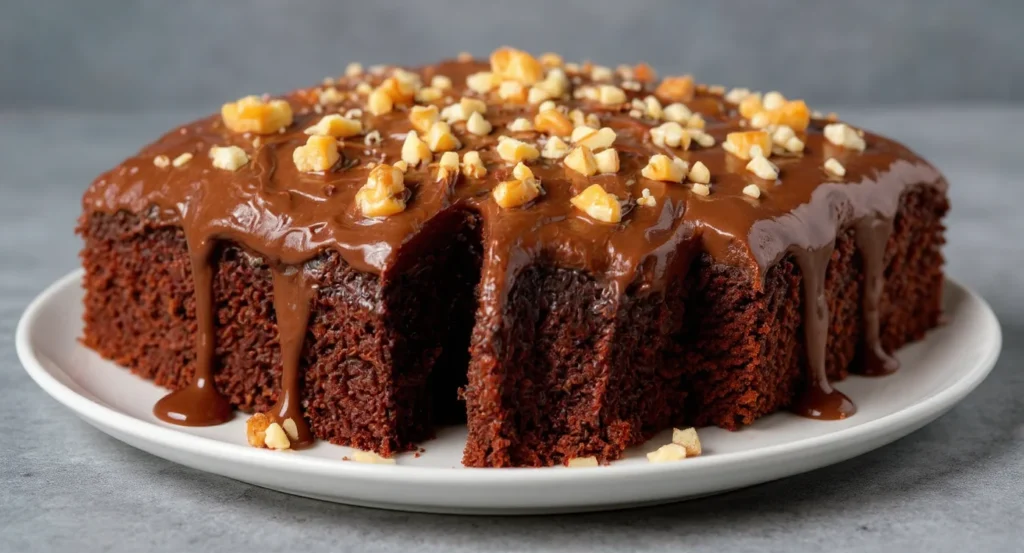
Classic Texas sheet cake is thin and baked in a big rectangular pan, like a 9×13″ or half-sheet for more. It stays moist because of oil or melted butter and sometimes buttermilk. The hot chocolate icing is poured on when the cake is warm, making it shiny and rich.
Chopped pecans or walnuts on top add a nice crunch and a Southern flair.
How simplicity yields moist, tender results
Less mixing is key. Minimal stirring keeps the gluten from making the crumb tough, so it stays soft. Acidic ingredients like buttermilk or sour cream react with baking soda to make the cake light without drying it out.
We add hot liquid—boiling water or hot coffee—to deepen the chocolate and thin the batter. This thin batter spreads evenly, ensuring a moist result every time.
What makes this recipe perfect for crowds and parties
- It’s big, so it feeds many, and cuts into neat squares for easy serving.
- It’s great for traveling. The cake stacks well and looks good on potluck tables.
- Scaling is easy. Just add more ingredients for a bigger cake or use gluten-free flour and dairy alternatives for guests.
- For easy prep, measure dry and wet ingredients separately before starting. This helps avoid mistakes.
Ingredients for An Easy Texas Sheet Cake Recipe
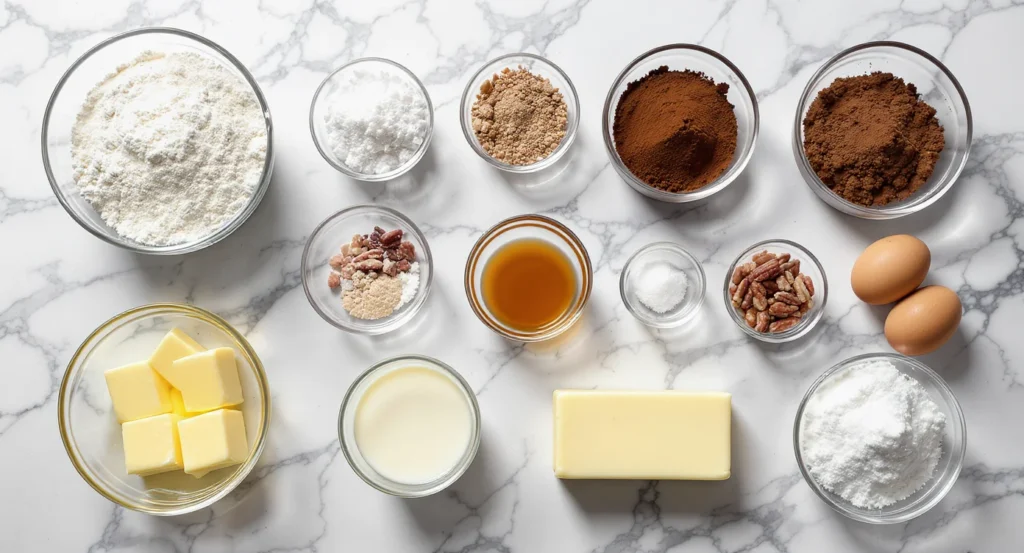
We want your sheet cake to be easy and dependable. A short, focused pantry list makes the process fast. It yields a moist, tender cake that feeds a crowd. Choose quality staples and optional extras to customize flavor and texture!
Essential pantry staples and why they matter
All-purpose flour or a trusted gluten-free blend gives the cake structure. Granulated sugar sweetens and helps with tenderness. Unsweetened cocoa powder or melted chocolate forms the chocolate backbone.
Baking soda or baking powder makes the cake rise. Eggs bind ingredients and add richness. Oil, like vegetable or canola, keeps the crumb moist longer than butter alone.
Buttermilk or sour cream adds acidity for a soft crumb and bright flavor. Hot coffee or boiling water blooms cocoa, deepening chocolate notes and thinning the batter for an even sheet pan spread.
Optional add-ins: nuts, chocolate chips, and flavorings
- Chopped pecans or walnuts — toast them for more flavor and crunch.
- Chocolate chips tucked into the batter for melty pockets.
- Vanilla extract or a splash of bourbon to round the taste.
- Instant espresso powder to intensify chocolate depth.
- Peanut butter swirl or a peanut butter frosting layer for a classic twist.
For those who love creamy desserts beyond cake, try making a rich and smooth cheesecake alongside your Texas sheet cake. It’s a perfect pairing that guests adore, especially our easy Philadelphia cheesecake recipe that’s just as simple to prepare.
Ingredient substitutions for dietary needs
For gluten-free versions, use a 1:1 baking blend with xanthan gum or add a binder like psyllium husk to improve texture.
If you need dairy-free options, swap buttermilk with plant milk plus 1 tablespoon lemon juice and use oil or dairy-free margarine instead of butter. For nutritional information on dairy alternatives, consult the National Institutes of Health’s Office of Dietary Supplements on calcium and vitamin D.
To cut sugar, reduce granulated sugar slightly and boost cocoa percentage for richer chocolate flavor. Store cakes with dairy frosting in the fridge. Plain sheet cakes keep at room temperature in an airtight container up to three days.
Equipment Needed for an Easy Baking Recipe
We keep gear simple so home bakers can focus on technique and flavor. The right tools save time, help the cake bake evenly, and make cleanup painless. Pick gear you’ll use often to get the best return on kitchen space and budget.
Best sheet pan size and why it matters
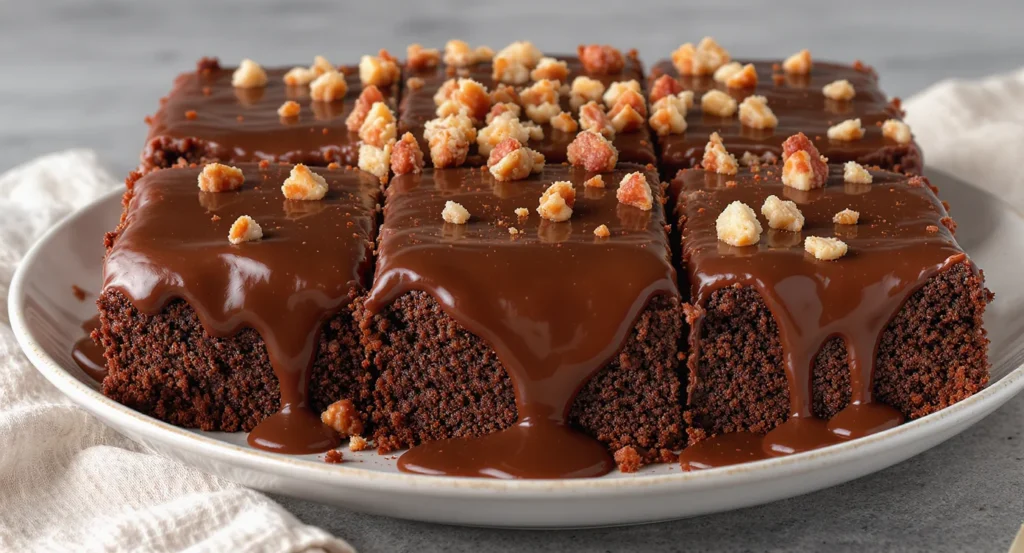
Choose a 9×13″ baking pan for the classic Texas sheet cake thickness and portion count. That size yields about 12–20 servings depending on how you cut it. A half-sheet pan spreads batter thinner and increases servings, but you must lower bake time slightly.
Use aluminum pans for even heat conduction. Glass holds heat and can overbake edges unless you reduce oven temperature by 25°F. Depth matters. Deeper pans raise bake time. Parchment paper helps release and gives clean slices.
Tools that speed up prep and ensure even baking
- Mixing bowls (at least two): separate dry and wet ingredients for fast, even mixing.
- Measuring cups and spoons: accuracy matters for texture and rise.
- Whisk and rubber spatula: whisk for aeration, spatula for folding without overmixing.
- Hand mixer or stand mixer: optional for quick creaming and smooth batter when time is tight.
- Offset spatula: makes icing smooth and professional-looking in seconds.
- Instant-read thermometer or oven thermometer: check oven accuracy and internal cake temp if you’re unsure.
- Cooling rack: lifts the pan so the cake cools evenly and the icing sets correctly.
Small habits give big results. Line the pan with parchment, and rotate it midway if your oven has hot spots. Those two moves cut down on uneven browning and keep slices tidy.
Step-by-Step Directions for the Chocolate Sheet Cake Batter
We guide you through making the batter with easy steps. Your cake will be tender and moist. Follow each tip, get your tools ready, and let’s start mixing!
Preparing the pan and preheating tips
- Preheat the oven to 350°F (175°C). Use an oven thermometer if you have one to confirm the temperature.
- Lightly grease a 9×13″ pan and line it with parchment for easy serving and zero sticking.
- Bring room-temperature ingredients like eggs and buttermilk out of the fridge while the oven warms. This helps the batter blend smoothly.
Mixing methods for the most tender crumb
- Whisk dry ingredients—flour, cocoa, baking soda, and salt—in one bowl to aerate and remove lumps.
- In a second bowl, beat sugar, eggs, oil, vanilla, and buttermilk until combined and glossy.
- Fold the dry mix into the wet mix gently. Stop when just combined to avoid a tough crumb.
- Carefully stir in hot coffee or boiling water at the end. The batter will thin out; that’s normal and gives a moist, tender cake.
- If using nuts or chocolate chips, fold them in gently at the last moment so they stay evenly distributed.
Baking time and how to test for doneness
- Pour the batter into the prepared pan and smooth the top with an offset spatula.
- Bake 18–25 minutes for a 9×13″ pan. Thin half-sheets may need less time, so watch closely.
- Check doneness by looking for edges that pull away slightly and a cake that springs back when gently pressed.
- Insert a toothpick in the center. It should come out with a few moist crumbs, not wet batter.
- Remove from the oven and let cool 5–10 minutes before pouring warm icing so it sinks in and stays glossy.
How to Make the Classic Chocolate Icing
We love the glossy, slightly crackled icing that defines a true Texas sheet cake recipe! Start while the cake is still warm. This way, the icing soaks in and sets with a shiny finish. Keep your tools ready and move fast—this icing cools and firms quickly.
Hot icing technique
- Heat 1/2 cup butter, 1/2 cup water, and 1/4 cup unsweetened cocoa in a saucepan until it bubbles.
- Remove from heat and whisk in 3 1/2 to 4 cups powdered sugar and 1/4 cup milk until glossy and pourable. For tips on sugar consumption and its impact on health, see guidance from the American Heart Association on added sugars.
- Pour the warm icing over the warm sheet cake so it seeps into the crumb and sets shiny.
- Stir in 1 cup chopped pecans or walnuts before the icing firms for the classic crunch.
Texture adjustments: pourable vs. spreadable
- For a pourable glaze, add a splash of hot water or warm milk a teaspoon at a time until it reaches a thin glaze that seeps into the cake.
- For spreadable icing, use less liquid and beat until thicker. Chill briefly if it needs to firm before spreading.
- Thicken by adding more powdered sugar. Thin with milk or hot water, a teaspoon at a time, until you get the feel you want.
Flavor variations
- Coffee boost: dissolve 1 teaspoon instant espresso in the hot liquid before adding cocoa to deepen the chocolate.
- Bourbon twist: stir in 1 to 2 teaspoons bourbon after removing the pan from heat for a warm, adult note.
- Vanilla lift: fold in 1 teaspoon vanilla extract after whisking the sugar for a bright, familiar finish.
Practical icing tips:
- Work quickly so the icing spreads smoothly while warm.
- Use an offset spatula for even coverage if the glaze thickens before you finish.
- For a nut-free option, swap in toasted coconut or sprinkles for texture.
Serving Suggestions for a Party Texas Sheet Cake Recipe
A Texas sheet cake is perfect for feeding a crowd easily. A few simple tips can make it a standout. Keep slices neat, offer pairing options, and plan the presentation for the occasion!
Cutting and portion sizes
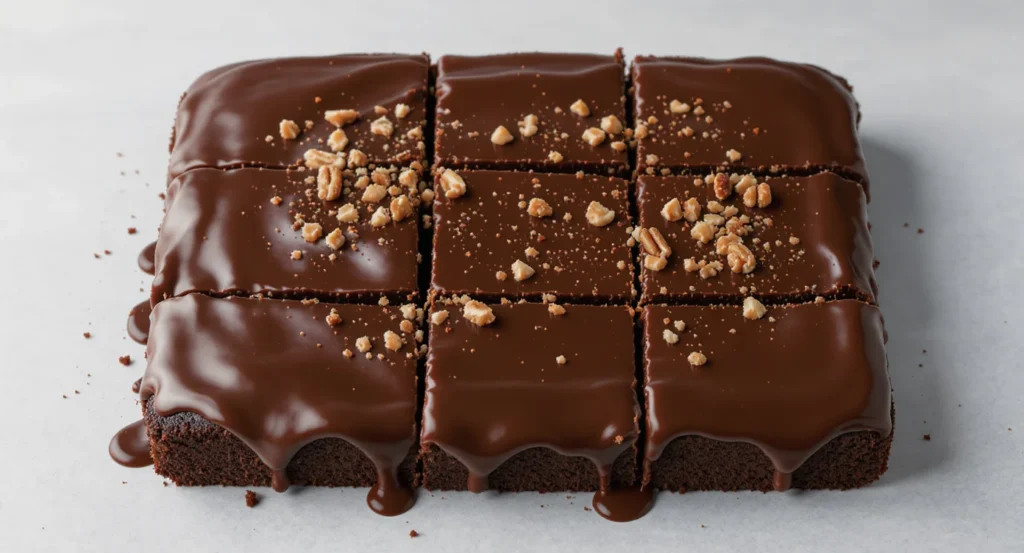
- Standard portions: cut 12 large squares for generous servings or 20–24 smaller party squares for bite‑size pieces.
- Use a sharp knife or a bench scraper dipped in hot water. Wipe dry between cuts for clean edges.
- Score the icing lightly first to mark uniform pieces, then slice in one steady motion.
Presentation ideas for birthdays and potlucks
- Serve rustic: present the cake straight from the pan with a light dusting of cocoa or powdered sugar for a cozy look.
- Birthday variant: top with colorful sprinkles, piped whipped cream rosettes, or write a short greeting with contrasting frosting.
- Potluck style: cut into small bars and arrange on a platter with napkins for easy grabbing and sharing.
Pairing with ice cream, coffee, and beverages
- Vanilla ice cream or salted caramel gelato provide a cool, creamy contrast to warm chocolate.
- Brewed coffee or a glass of cold milk keeps the vibe classic and comforting.
- For adult gatherings, offer a dessert wine like port or a robust red to deepen the chocolate experience.
For a cozy twist on beverage pairings, consider serving a warm hot buttered rum drink with ice cream alongside the Texas sheet cake. This comforting drink beautifully complements the chocolate flavors and adds a little festive cheer.
Serving temperature and timing
- The cake is excellent warm or at room temperature. Warm slices pair best with soft, pourable icing and ice cream.
- If you refrigerate leftovers, bring them to room temperature for 20–30 minutes before serving to regain softness.
Tips for Making a Moist Texas Sheet Cake Recipe Every Time
We want your Texas sheet cake to be tender and glossy every time. Making small changes in mixing, timing, and cooling can make a big difference. Follow these practical tips and use the quick checklist to avoid common mistakes and keep moisture in.
Common baking pitfalls and how to avoid them
- Overmixing: Mix until the dry ingredients are just combined. Overmixing tightens gluten and gives a dense, tough crumb. To learn more about gluten and how it affects baking, explore this detailed resource from the Harvard T.H. Chan School of Public Health on gluten and grains.
- Overbaking: Start checking a few minutes early with a toothpick. A few moist crumbs mean done. Dry crumbs mean you missed the sweet spot.
- Wrong oven temperature: Use an oven thermometer. Gas and electric ovens can run hot or cold. Adjust the dial if your thermometer shows a difference.
- Stale leaveners: Fresh baking powder and baking soda lift the cake. Replace them every six months for best rise.
- Fat choice: Use vegetable oil for lasting moistness. Melted butter adds flavor but firms when chilled.
Resting and cooling techniques to preserve moisture
Cool the sheet cake on a wire rack for about 5–10 minutes before pouring the hot icing. This lets the glaze sink slightly without sliding off.
Once iced, cool completely before wrapping for storage. If the cake will sit out for a few hours, cover loosely with foil to hold humidity without trapping steam.
For longer storage, wrap the cooled cake tightly in plastic wrap and refrigerate. Bring it back to room temperature before serving to restore tender texture and flavor.
How altitude and ovens affect results
- High altitude tweaks: Reduce baking powder or soda by about 10–15%. Add 1–2 tablespoons more liquid, such as milk or coffee, to keep the crumb moist. Lower oven temp by 15–25°F and watch bake time closely.
- Oven hotspots: Place the pan on the center rack. Rotate once halfway through baking for even color and rise.
- Pan size and placement: Use the recommended sheet pan so batter depth matches the recipe. A too-small pan will overbake edges before the center sets.
Quick checklist: mix gently, test early, use an oven thermometer, choose oil for moistness, cool briefly before icing, and tweak for altitude. With these steps, we nail moist, crowd-ready Texas sheet cake every time!
Homemade Texas Sheet Cake Recipe Variations
We love how the classic Texas sheet cake adapts to flavor ideas and party themes. Below are quick, testable variations that keep the same simple method while adding fresh taste and texture. Pick one, tweak with pantry staples, and share the joy!
Peanut butter twist
- Swirl creamy or natural peanut butter into the batter before baking for marbled flavor.
- Thin natural peanut butter with a little warm milk if it’s too stiff to spread.
- Top the finished cake with a peanut butter frosting layer and chopped peanuts or Reese’s Pieces for crunch.
White cake alternative
- Replace cocoa with extra flour and boost vanilla for a light, non-chocolate option.
- Use buttermilk to keep the crumb tender and moist.
- Finish with a fluffy cream cheese icing or a browned-butter glaze for rich depth.
Birthday and celebration ideas
- Add colorful sprinkles into wet icing for an immediate party look.
- Use themed cookie cutters on fondant pieces to personalize for kids or milestones.
- Cut the sheet in half, add frosting between layers, and stack for a double-decker effect that feels special.
Seasonal and flavor twists
- Stir orange zest and a splash of Grand Marnier into the batter for chocolate-orange flair.
- Mix in peppermint extract and crushed candy canes at holiday time for a festive crunch.
- All variations adapt to gluten-free and dairy-free needs by using the swaps from earlier guidance.
Gluten Free Texas Sheet Cake Recipe Options
We want everyone to enjoy a delicious, moist sheet cake. Gluten-free doesn’t mean losing flavor or texture. Here, we share tips and tricks for making a great gluten-free Texas sheet cake at home.
Flour swaps and binding solutions
Use a high-quality 1:1 gluten-free blend like King Arthur Measure for Measure to replace all-purpose flour cup for cup. If your blend lacks xanthan gum, add 1/2–1 teaspoon per cup to mimic gluten’s hold.
Single flours like brown rice or sorghum work best when mixed into blends, not used alone. For extra structure, mix in a tablespoon of potato starch or cornstarch per cup of flour blend.
Tips to keep texture moist with gluten-free flour blends
Gluten-free flours can be drier. Boost moisture by adding an extra tablespoon of oil or an extra egg when the recipe needs more lift. Use sour cream or cultured buttermilk for tenderness and a subtle tang.
Lighten the crumb by folding batter gently and avoiding overmixing. Toasted nuts or a small swirl of jam add pleasant texture and improve mouthfeel for every bite.
Testing and adjusting bake time for alternative flours
Expect gluten-free batters to look wetter. Rely on the toothpick test and gentle springback at the center rather than a strict timer. Allow the cake to cool fully because it often sets as it cools.
If the edges brown too fast, lower oven temperature by 25°F and bake a few minutes longer. Label gluten-free pans clearly at gatherings to prevent cross-contamination and keep everyone safe.
Old Fashioned Texas Sheet Cake Recipe: Nostalgic Touches
We adore the cozy, simple charm of a classic Texas sheet cake. This recipe stays true to the easy batter and hot icing of church suppers and family gatherings. It adds a few tweaks to enhance the flavor while keeping its homespun essence.
Traditional ingredients and techniques to recreate
- Begin with a basic batter: all-purpose flour, granulated sugar, cocoa, baking soda, and a pinch of salt.
- Use buttermilk or sour cream for tang and structure, along with vegetable oil or shortening for moisture.
- Pour boiling water over cocoa to bloom the chocolate flavor and create a thin, pourable batter.
- Make the hot icing on the stovetop: butter, cocoa, powdered sugar, and milk. Mix in chopped pecans and pour it over the pan while the cake is still warm.
- Serve straight from the pan for that rustic, nostalgic presentation that feels authentic and comforting.
How to modernize while keeping classic flavor
- Swap half the oil for melted unsalted butter to add a golden, rich note while keeping oil for moisture.
- Use Dutch-processed cocoa or blend it with natural cocoa for layered chocolate character.
- Add a pinch of espresso powder to the boiling water to deepen chocolate without adding coffee taste.
- Top the icing with modern accents like toasted coconut flakes or a light sprinkle of flaky sea salt for contrast.
- Keep the chopped pecans and hot-pour step to preserve the texture and the memory of the original cake.
We recommend enjoying a slice with cold whole milk or a scoop of simple vanilla ice cream. It brings back that cozy, nostalgic moment that made this cake a staple in American kitchens.
Chocolate Texas Sheet Cake Recipe: Boosting Chocolate Intensity
We love a sheet cake that tastes like a chocolate hug. Small tweaks can make it richer and keep it tender. Here are some tips to enhance your cake’s chocolate flavor without losing its classic texture.
Choosing the right cocoa or melted chocolate
- Use unsweetened cocoa powder for a light, cakey crumb. Dutch‑processed cocoa gives a darker, smoother flavor and reacts best with baking powder.
- Melted bittersweet chocolate (60% cacao or higher) adds fudgy richness. Ghirardelli or Valrhona work well if you want reliable depth.
- Combine both for layered chocolate: cocoa for structure, melted chocolate for body. This gives complex flavor without extra fat.
Balancing bitterness and sweetness
- If you use high‑percentage chocolate, nudge the sugar up a bit or fold in a tablespoon of brown sugar for caramel notes.
- A pinch of fine sea salt in the batter brightens the chocolate. Finish with a light sprinkle of flaky salt for contrast.
- Taste your cocoa or chocolate before you bake. That helps you judge whether to add more sugar or keep it bold and bittersweet.
Using espresso or coffee to deepen chocolate notes
- Swap boiling water for hot brewed coffee to amplify chocolate complexity without making the cake taste like coffee.
- Stir 1–2 teaspoons instant espresso powder into the liquid when you want a subtle lift. This works especially well with dark cocoa or 70% chocolate.
- Remember that coffee sharpens cocoa flavor while keeping the batter balanced. It is a secret pro bakers use for intense chocolate results.
Texture and bake tips
- Melted chocolate can slow bake time slightly. Watch the cake at the lower end of the suggested time and test with a toothpick.
- For extra fudginess, cut flour by a tablespoon or add one tablespoon sour cream to the batter.
- Keep the batter mixed just until combined to protect a tender crumb.
Best Texas Sheet Cake Recipe for Beginners
This Texas sheet cake recipe is super easy to make. It’s moist and chocolatey every time. Just follow this guide and you’ll get the hang of it in no time!
Simple step-by-step checklist for first-timers
- Preheat oven to the temperature in your recipe and grease or line a 9×13-inch pan.
- Whisk dry ingredients in one bowl: flour, cocoa, sugar, baking soda, and salt.
- Whisk wet ingredients in a second bowl: eggs, oil, and vanilla.
- Combine wet into dry, stir, then pour in hot water or coffee and mix until smooth.
- Pour batter into the prepared pan and bake. Test with a toothpick; it should come out with a few crumbs.
- Let the cake cool a few minutes, pour warm icing over the top, and sprinkle chopped nuts if desired.
- Allow icing to set, cool fully, cut into squares, and serve.
Time-saving shortcuts without sacrificing quality
- Use a hand mixer for faster, even mixing; whisk by hand if you prefer a gentler touch.
- Measure ingredients into small bowls ahead of time to avoid missed steps—mise en place saves time.
- Buy pre-chopped pecans or walnuts and pre-chopped chocolate chips to cut prep work.
If you’re also looking for a quick breakfast or brunch option to go with your baking day, our easy Bisquick pancake recipe whips up fast and makes for a tasty morning treat.
Common beginner mistakes and fixes
- Batter too lumpy: sift or whisk dry ingredients well and add liquids slowly while stirring.
- Soggy center: cake is underbaked—add 3–5 minutes and test again.
- Icing too thick: stir in warm milk or hot water, one teaspoon at a time, until pourable.
- Cake sticks to pan: line with parchment or use a baking release spray before pouring batter.
Don’t worry about mistakes. This recipe is forgiving. Keep baking and enjoy every slice!
Texas Sheet Cake Recipe for Crowd: Scaling and Transporting
We love feeding a crowd! Scaling a Texas sheet cake for a party takes some math and smart moves. We’ll share tips on scaling, transporting, and reheating to keep your cake moist and ready to serve.
How to scale ingredients up or down reliably
- Double or triple a trusted 9×13″ recipe for multiple pans. Use weight measurements for flour, sugar, and butter for consistency.
- Keep ratios steady: match fat and liquid to flour increases so texture stays tender.
- When using half-sheet pans, expect shorter bake times. Reduce by 5–10 minutes and check early with a toothpick.
- For very large batches, mix in stages rather than overloading one bowl. This avoids uneven mixing and uneven crumb.
Transporting the cake for events without damage
- Cool the cake completely when stacking layers. If icing while warm, chill briefly to set the top before moving.
- Place the pan on a flat tray with a non-slip mat. Slide the tray into a shallow box or a cake carrier sized to the pan.
- Use a damp towel under the carrier in the car to stop sliding during transit. Drive on smooth roads and avoid sudden stops.
- If the cake is iced, chill it in the fridge for 20–30 minutes so the icing firms and resists shifting.
Make-ahead and reheating strategies
- Make the cake 1–2 days ahead and keep it tightly covered at room temperature. For longer storage, wrap and refrigerate.
- Warm single slices in the microwave for 10–15 seconds to restore that just-baked feel.
- To warm an entire pan, set oven to 300°F and heat for 10–12 minutes. Check halfway to avoid over-drying.
- If icing has hardened, soften gently in the microwave for a few seconds and refresh with a thin warm drizzle of icing or a dollop of whipped cream.
For large events, pre-cut servings for quick distribution and label trays for common allergens like nuts or gluten. Offer a gluten-free or dairy-free pan so all guests can enjoy a slice!
Easy Texas Sheet Cake Recipe
We love recipes that get us from bowl to table fast. This Texas sheet cake recipe is perfect. It bakes in a single 9×13″ pan, making prep quick and cleanup easy. The batter pours smoothly, and the hot icing adds a glossy finish.
One-pan approach that saves time
- Measure and mix in one bowl when possible to cut steps.
- Pour batter directly into a greased 9×13″ pan; spread with an offset spatula.
- Bake, then prepare the icing in the same bowl to reduce dishes.
Exact timing and temperature guidance for consistent results
- Preheat oven to 350°F (175°C).
- Bake the 9×13″ cake for 18–25 minutes. Start checking at 18 minutes.
- For half‑sheet or shallower pans, check at 12–18 minutes; thin cakes cook faster.
- Use the toothpick test: a few moist crumbs are fine, but avoid wet batter.
- Make icing while the cake bakes. Pour over the warm cake 5–10 minutes after it comes out.
Printable-style quick recipe summary for convenience
- Ingredients with measurements and optional swaps for dairy or gluten-free needs.
- Condensed step-by-step bullets for mixing, baking, and icing.
- Cook time, yield, and storage notes for easy reference.
- Small troubleshooting box: if cake is dry, reduce bake time next batch; if icing sets too fast, warm slightly before pouring.
We encourage you to tuck this one-page summary into your recipe box or print it for potluck day. It’s built for the kitchen and ready to help you serve a crowd with confidence!
Conclusion
We love the Easy Texas Sheet Cake Recipe for its moist results with little effort. It uses pantry staples and a one-pan method. The hot, glossy icing adds a classic chocolate flavor that’s perfect for feeding a crowd.
This recipe is easy to customize. You can use gluten-free flours, add peanut butter or white chocolate, or spice up the icing with espresso or bourbon. These tweaks keep the cake tender and the baking time consistent.
Try it out, experiment with different flavors, and share it with loved ones. This recipe is great for building your cooking skills. It makes cooking fun, creative, and accessible. Let’s bake something tasty together!
Easy Texas Sheet Cake Recipe
Short Description
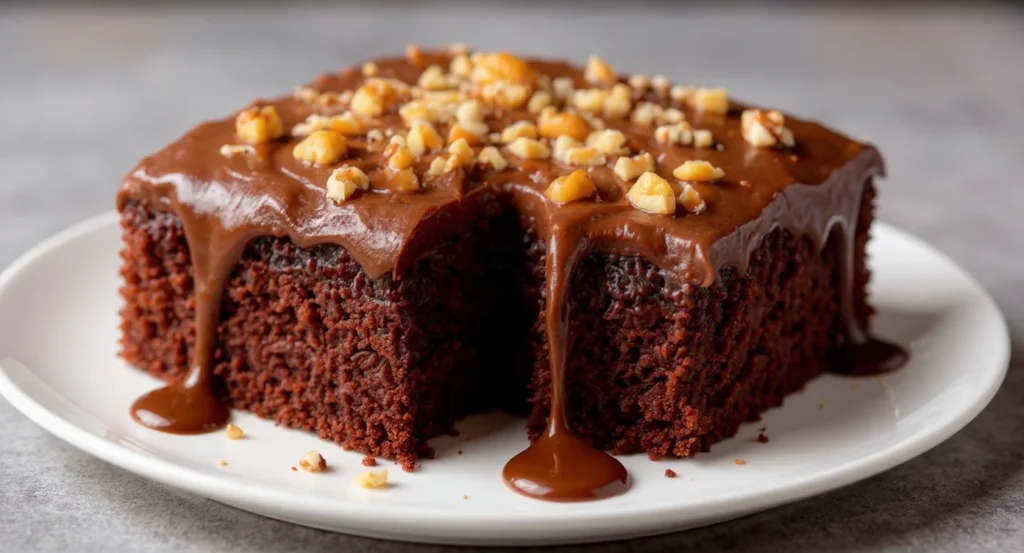
This Easy Texas Sheet Cake is a moist, tender, and deeply chocolatey treat that’s perfect for feeding a crowd. Made with simple pantry staples and topped with a hot, glossy chocolate icing, it’s an effortless one-pan dessert that will impress family and friends. Whether for a party, potluck, or a cozy night in, this cake delivers big flavor with minimal fuss.
Recipe Details
- Serving Size: 12-20 servings
- Prep Time: 15 minutes
- Cook Time: 18-25 minutes
- Total Time: 35-40 minutes
Ingredients per Serving
- 1 cup all-purpose flour (or gluten-free 1:1 blend)
- 1 cup granulated sugar
- 1/4 cup unsweetened cocoa powder
- 1/2 tsp baking soda
- 1/4 tsp salt
- 1/2 cup vegetable oil (or canola oil)
- 2 large eggs
- 1 tsp vanilla extract
- 1/2 cup buttermilk (or sour cream, or plant milk + lemon juice)
- 1/2 cup boiling water or hot coffee
- 1/4 cup butter (for icing)
- 1/4 cup water (for icing)
- 1/4 cup cocoa powder (for icing)
- 3 1/2 to 4 cups powdered sugar (for icing)
- 1/4 cup milk (for icing)
- 1 cup chopped pecans or walnuts (optional)
Nutritional Facts (Approximate per serving)
- Calories: 280 kcal
- Protein: 3 g
- Carbohydrates: 40 g
- Fats: 11 g
- Fiber: 2 g
- Sodium: 150 mg
- Sugar: 30 g
Instructions
Step 1
Preheat your oven to 350°F (175°C). Lightly grease a 9×13-inch baking pan and line it with parchment paper to prevent sticking and for easier cleanup.
Step 2
In one large bowl, whisk together the flour, granulated sugar, cocoa powder, baking soda, and salt until well combined and aerated.
Step 3
In a second bowl, beat the eggs, vegetable oil, vanilla extract, and buttermilk (or sour cream) until smooth and glossy.
Step 4
Gently fold the dry ingredients into the wet ingredients until just combined. Avoid overmixing to keep the cake tender.
Step 5
Carefully stir in the boiling water or hot coffee until the batter is thin but uniform. This thins the batter and blooms the cocoa for deep chocolate flavor.
Step 6
Pour the batter evenly into the prepared pan. Bake in the preheated oven for 18-25 minutes, starting to check doneness at 18 minutes. The cake is done when a toothpick inserted in the center comes out with moist crumbs.
Step 7
While the cake bakes, prepare the classic chocolate icing. In a saucepan, heat the butter, water, and cocoa powder until it bubbles. Remove from heat and whisk in the powdered sugar and milk until glossy and pourable.
Step 8
When the cake comes out of the oven, let it cool for 5-10 minutes. Then pour the warm icing over the warm cake, spreading quickly to cover. If desired, sprinkle chopped pecans or walnuts over the icing for a classic crunch.
Step 9
Allow the icing to set and the cake to cool completely before slicing into squares. Serve warm or at room temperature, optionally with a scoop of vanilla ice cream or a glass of cold milk.