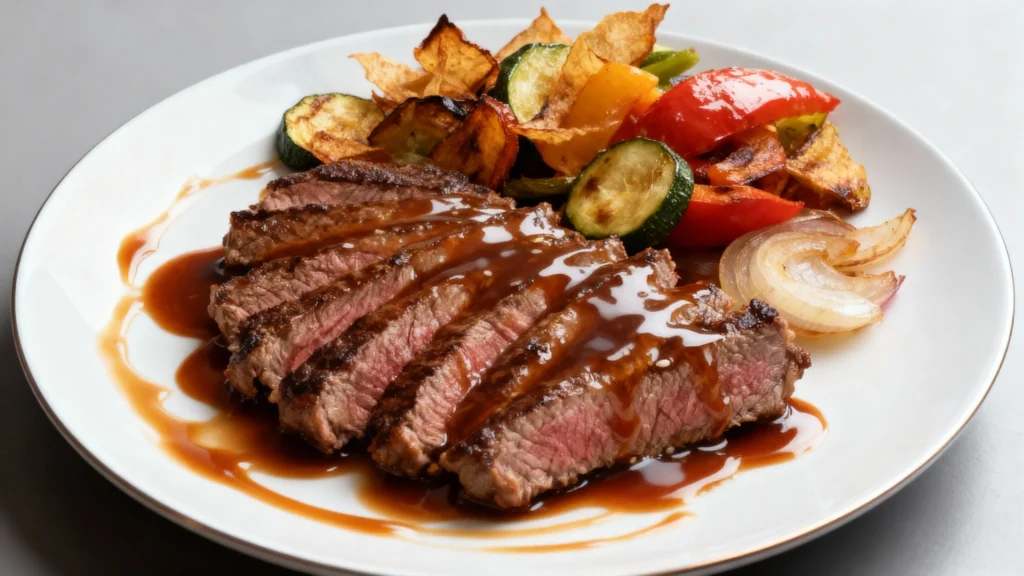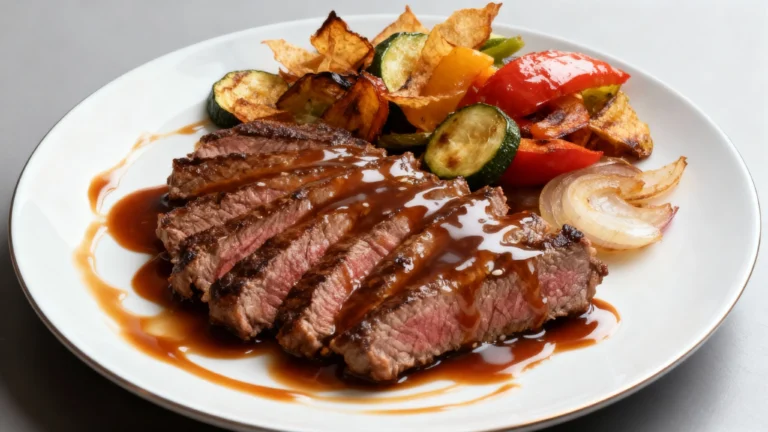
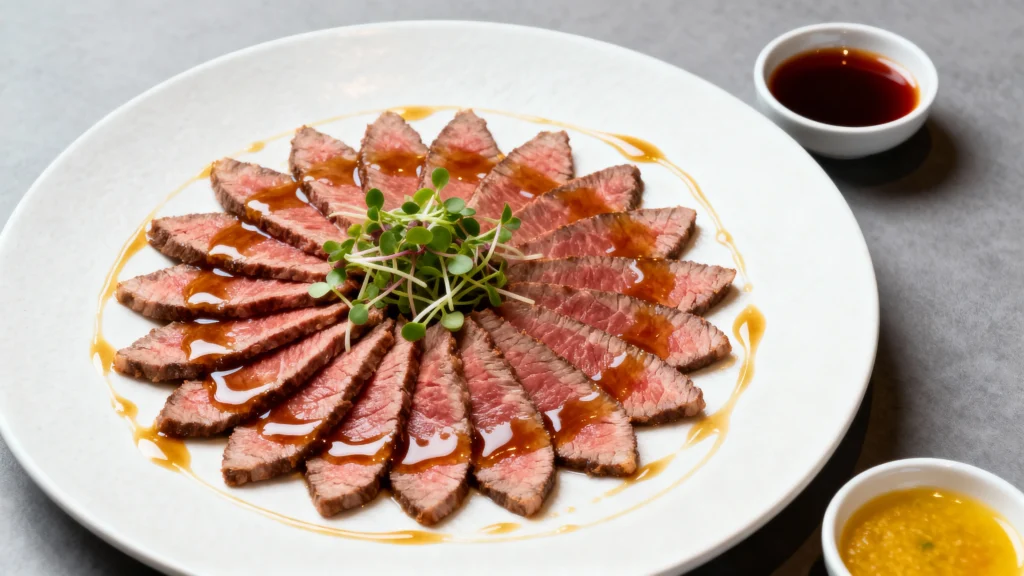
My first taste of Japanese beef tataki in Tokyo changed everything. The soft texture and fresh flavors won my heart. It was love at first bite!
Our Japanese beef tataki recipe is more than food. It’s a journey that turns simple ingredients into a feast. It’s perfect for anyone wanting to try new flavors or improve their cooking.
Imagine a dish that looks like art and tastes like a dream. Our guide will teach you how to make it. You’ll impress everyone with your skills!
Key Takeaways
- Learn an authentic Japanese beef tataki recipe
- Discover professional searing techniques
- Create restaurant-quality appetizers at home
- Understand the cultural significance of beef tataki
- Impress friends and family with your culinary skills
What is Beef Tataki: Understanding this Classic Japanese Dish
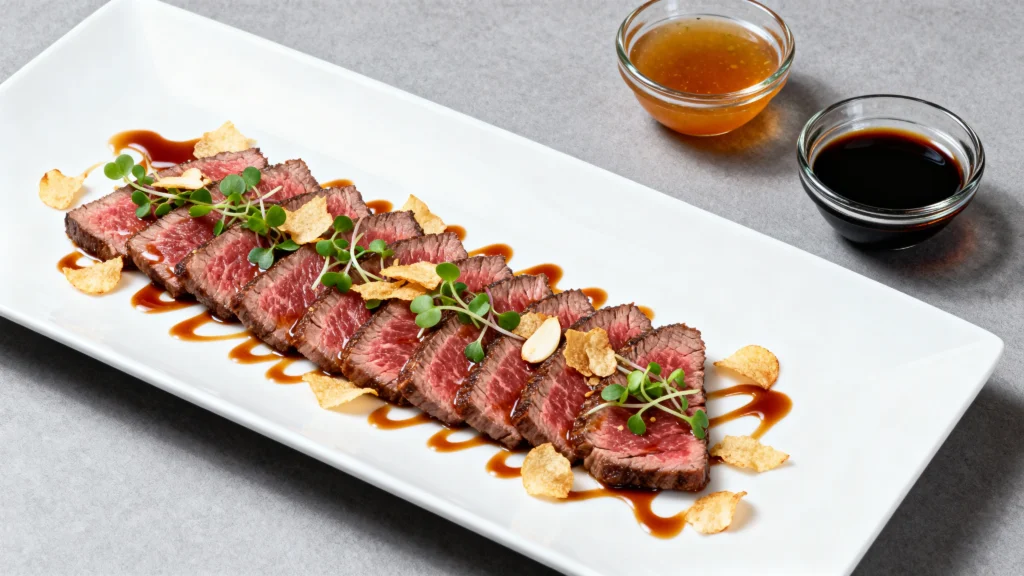
Japanese beef tataki is a culinary treasure that excites food lovers. It’s known for its unique preparation and amazing flavor. This dish is more than just food; it’s a celebration of Japanese culinary art.
Japanese cuisine is all about harmony and fresh ingredients. If you’re curious to try more comforting flavors, you’ll love this savory Beef Chop Suey recipe for another classic Asian-inspired dinner that’s quick and satisfying.
For even more Japanese-inspired goodness, try grilling up some juicy Japanese Chicken Yakitori skewers for your next party or casual dinner. Their savory glaze and smoky flavor are the perfect match for beef tataki and make any gathering extra special.
Origins of a Culinary Delicacy
The roots of Japanese raw beef appetizer go back to traditional Japanese cuisine. Chefs created new cooking techniques to enhance flavor and texture. In the late 19th century, beef tataki was born. It’s a way to lightly sear high-quality beef, keeping it tender and almost raw inside.
Traditional vs Modern Preparation Methods
- Traditional Method:
- Quickly seared over high heat
- Minimal seasoning
- Served with simple ponzu sauce
- Modern Interpretation:
- Experimental flavor combinations
- Fusion-style garnishes
- Creative sauce variations
Why Tataki Stands Out in Japanese Cuisine
What makes Japanese beef tataki special is its balance of raw and cooked. The quick searing adds flavor while keeping the meat tender. This shows the chef’s skill and respect for quality ingredients, a key part of Japanese cooking.
“Tataki is not just a dish, it’s an experience that captures the essence of Japanese culinary philosophy.” – Japanese Cuisine Expert
Chefs pick the best beef cuts for tataki. Each slice is a peak of flavor and texture. The result is a dish that’s both elegant and rustic, deeply satisfying.
Essential Ingredients for Authentic Japanese Beef Tataki Recipe
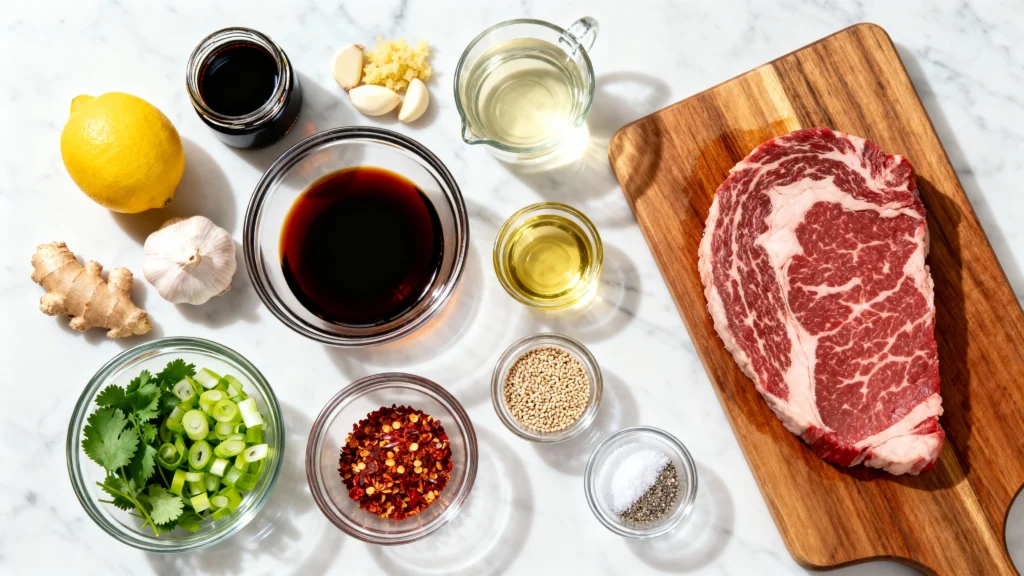
Making the perfect beef tataki begins with the right ingredients. We need to pick top-notch items to make our dish stand out. Let’s explore the key elements for an authentic tataki sauce and bring Japanese flavors to your table!
To make the best beef tataki sauce, you’ll need a few important ingredients. They add a burst of umami and brightness:
- Ponzu tataki dressing: A citrusy, tangy base that brings incredible depth
- Soy sauce: High-quality, preferably Japanese dark soy sauce
- Fresh citrus fruits (yuzu or lemon)
- Minced garlic and ginger
- Rice vinegar
The secret to a great tataki sauce is balancing these flavors. Our ponzu tataki dressing mixes citrus brightness with soy sauce’s rich umami. It makes a complex and vibrant sauce for your seared beef.
Pro tip: Always use fresh ingredients to maximize the flavor profile of your beef tataki sauce!
Don’t forget these other must-haves:
- Sesame oil
- Green onions
- Optional chili flakes for heat
- Fresh herbs like cilantro or shiso
By choosing these ingredients, you’re on your way to making a top-notch beef tataki. It will wow even the pickiest eaters!
Selecting the Perfect Cut of Beef for Tataki
Making a great wagyu tataki recipe begins with picking the right beef cut. The key to a memorable seared beef tataki is knowing about meat quality and how to choose it. Let’s explore the top beef cuts that will make your beef tataki steak truly special!

Not all beef cuts are the same when making beef tataki. The best beef should have certain qualities that make it perfect for this delicate Japanese dish:
- Exceptional marbling for rich flavor
- Tender texture that melts in your mouth
- High-quality protein with minimal connective tissue
For expert health and nutrition guidance, Harvard Nutrition Source has useful recommendations about red meat safety, healthy eating, and what to look for in quality cuts.
Best Beef Grades and Marbling
Marbling is the fat inside the meat that makes it tender and flavorful. For a top-notch wagyu tataki recipe, look for cuts with:
- A5 Wagyu: The gold standard of beef grading
- Extensive white fat streaks throughout the meat
- Consistent fat distribution
Premium Alternatives to Wagyu
Not everyone can afford premium Wagyu. Great alternatives for seared beef tataki include:
- Prime grade beef
- Japanese Kuroge beef
- High-quality grass-fed beef
Temperature Considerations for Raw Beef
“Quality and safety are paramount when preparing raw or near-raw beef dishes.” – Professional Chef’s Guideline
When working with beef for tataki, keep the temperature just right. Always get fresh, high-quality beef from trusted butchers and store it cold until you’re ready to cook. The best beef should be super fresh, kept at 40°F or below. This ensures it’s safe and full of flavor for your beef tataki steak.
Master the Art of Tataki Sauce Making
Making the perfect beef tataki ponzu sauce is like a work of art. It turns a good dish into something truly special. The secret is in the balance of flavors that match the seared meat’s rich taste.
Now, let’s explore the key parts of a citrus soy tataki sauce. It will take your Japanese cooking to the next level:
- Fresh yuzu or lemon juice for bright citrus notes
- High-quality soy sauce
- Mirin (sweet rice wine)
- Finely minced garlic
- Grated ginger
The secret to a great beef tataki marinade is knowing how these ingredients work together. Citrus adds a sharp, tangy taste that contrasts with the beef. Soy sauce brings depth and umami. Mirin adds a sweet touch that completes the flavor.
Pro tip: Always use the freshest ingredients for the most vibrant citrus soy tataki sauce!
Our simple mixing method ensures a balanced sauce every time. Just whisk the ingredients until they blend perfectly. Find your favorite mix by adjusting the ratios!
Step-by-Step Guide to Perfect Searing Technique
Learning how to make beef tataki is all about precision and skill. Seared rare beef tataki turns simple meat into a culinary work of art. We’ll guide you through the key steps to make an easy beef tataki that will wow any food lover!
To get the perfect sear, you need to prepare well. Make sure your beef is at room temperature and dry. This helps create a great cooking surface for that caramelized crust.
Temperature Control Mastery
Getting the right sear means controlling the temperature. Here are some tips for temperature control:
- Use a heavy-bottomed skillet or cast-iron pan
- Heat pan until it’s smoking hot
- Aim for high heat around 450-500°F
- Keep a meat thermometer nearby for precision
Timing Your Sear to Perfection
The key to a great beef tataki is timing. Remember, it’s all about being quick and hot. Each side should only be in the pan for 30-45 seconds. This creates a beautiful crust while keeping the inside rare.
Crafting the Ideal Crust
To get the perfect crust, follow these expert tips:
- Pat beef completely dry with paper towels
- Season generously with salt and pepper
- Use minimal oil with a high smoke point
- Do not move meat while searing
- Allow natural crust to form
With these techniques, you’ll turn your beef into a top-notch tataki. It will look amazing and taste incredible!
Essential Tools and Equipment for Beef Tataki
To make a real Japanese beef tataki, you need more than just great ingredients. The right tools can make your beef tataki truly amazing! Let’s look at the key equipment for mastering this tasty dish.
Beef tataki at home needs precision and special kitchen tools. The good news? You might already have most of these tools in your kitchen!
- Heavy-bottomed skillet: Perfect for getting that perfect sear on your beef tataki
- Sharp chef’s knife for precise slicing
- Meat thermometer to ensure correct temperature
- Cutting board with non-slip surface
- Tongs for safe meat handling
Choosing tools for your beef tataki recipe is important. A cast-iron skillet is great for that beautiful caramelized exterior. Your knife should be sharp to slice the beef into thin, elegant pieces.
Pro tip: Even if you don’t have a Japanese knife, a sharp Western-style chef’s knife works well. The goal is to slice the meat thinly to show off its texture.
Remember, great cooking is about technique, not just expensive equipment!
With these tools, you’re ready to make a top-notch Japanese beef tataki in your kitchen. Happy cooking!
Proper Slicing Techniques for Restaurant-Style Presentation
To make your beef tataki look like it’s from a restaurant, you need to slice it right. Thin slices are key to an elegant appetizer that will wow your guests. It also shows off your cooking skills.
Professional chefs know that knife skills are essential for a great beef tataki. The right way to slice can turn a simple dish into a feast for the eyes.
Knife Selection and Preparation
- Choose a razor-sharp sashimi knife or a long, thin chef’s knife
- Ensure the blade is clean and dry before slicing
- Chill the beef for 15-20 minutes to make slicing easier
Slicing Techniques for Perfect Tataki
- Place the seared beef on a clean cutting board
- Use a smooth, single-direction motion when slicing
- Cut against the meat’s grain for maximum tenderness
- Aim for uniform slices approximately 1/8 inch thick
For a beautiful beef tataki, keep your slices the same thickness. It takes practice and patience to get it right. You want slices that are thin, delicate, and show off the meat’s sear and texture.
Pro tip: A sharp knife and steady hand are your best tools for creating restaurant-quality beef tataki!
Creative Garnishing and Plating Ideas
Turn your beef tataki into a stunning dish! Garnishing is more than looks. It’s about creating a memorable dining experience that excites all your senses.
For beef tataki with garlic chips, try these presentation ideas:
- Create a crispy garlic chip crown atop your sliced beef
- Scatter chips around the plate for added texture
- Use microgreens for a pop of color and freshness
When making beef tataki with vegetables, focus on color and contrast. Arrange vibrant vegetables like:
- Thinly sliced radishes
- Pickled daikon
- Crisp green onions
For parties, use plating that encourages sharing and conversation. Try these ideas:
- Use large, flat serving platters
- Create a dramatic fan-like arrangement of tataki slices
- Provide small garnish bowls with extra sauces
Pro tip: Always slice your beef against the grain for the most tender presentation!
Great plating is about telling a story on your plate – make each bite an adventure!
Perfect Pairings and Side Dishes
Enhancing your beef tataki experience is more than just the main dish. The right sides can turn a simple appetizer into a feast for the senses. Let’s dive into some exciting pairing options to elevate your Japanese-inspired meal!
Traditional Japanese Accompaniments
Classic Japanese dishes pair wonderfully with beef tataki:
- Steamed edamame with sea salt
- Pickled vegetable salad (tsukemono)
- Miso soup with delicate garnish
- Short-grain sticky rice
For more well-balanced pairing and nutrition advice, Mayo Clinic’s Nutrition Guide covers how to optimize meals for both flavor and health.
Fusion Beef Tataki Innovations
For a bold twist, try these fusion options:
- Beef tataki sushi rolls with crisp cucumber
- Wasabi-infused aioli drizzle
- Truffle-seasoned microgreens
- Ponzu-marinated avocado chunks
Pro tip: Balance is key when selecting side dishes for your beef tataki. Aim for contrasting textures and complementary flavors!
Our top pick is creating innovative platters that mix traditional and modern flavors. Whether it’s a dinner party or a cozy meal, these pairings will make your experience unforgettable.
Looking to build a full Asian-style meal? Pair your tataki with this tasty Shrimp Fried Rice—it’s easy to make at home and brings out all those delicious flavors from the beef tataki. The combination is sure to impress guests or make a fun family dinner.
Storage Tips and Make-Ahead Instructions
Preparing an easy beef tataki recipe doesn’t mean you need to cook it right before serving! With the right storage techniques, you can enjoy this delicious Japanese beef tataki at your convenience.
When it comes to storing your beef tataki, follow these essential guidelines:
- Refrigerate seared beef immediately after cooking
- Use an airtight container to preserve freshness
- Keep beef tataki refrigerated for up to 2 days
For meal preppers looking to make a quick beef tataki recipe, we’ve got some pro tips. Always wrap the seared beef tightly in plastic wrap or store in a sealed container. This helps maintain its texture and prevents moisture loss.
Pro storage recommendations:
- Cool the beef completely before storing
- Separate sauce from meat to prevent soggy texture
- Store sauce in a separate sealed container
Quick tip: Never freeze your Japanese beef tataki, as this will compromise its delicate texture and flavor!
The key to amazing beef tataki is maintaining its delicate sear and fresh taste, even when preparing ahead of time.
Reheating recommendations are minimal. For best results, enjoy your beef tataki cold or at room temperature to preserve its unique culinary character.
Common Mistakes to Avoid When Making Beef Tataki
Learning how to make beef tataki can be challenging, even for skilled cooks. We’ve listed the main errors that can ruin your dish. These tips will help you make dishes as good as those in restaurants!
To make the best beef tataki, you need to be precise and pay close attention to details. Let’s look at the common mistakes that can make your dish a letdown.
Temperature Control Challenges
Temperature is key when making beef tataki. Professional chefs stress that bad heat control can mess up the whole dish.
- Never use a cold pan when searing
- Avoid overcrowding the cooking surface
- Use a high-heat, heavy-bottomed skillet
“The secret to perfect beef tataki lies in mastering temperature control” – Chef Hiroshi Tanaka
Seasoning Secrets and Mistakes
Seasoning is crucial for your beef tataki. Less is often more when it comes to traditional Japanese flavors.
- Don’t over-salt the beef before searing
- Use fresh, high-quality soy sauce
- Balance your ponzu or traditional tataki sauce
Slicing Techniques Matter
The look of your beef tataki depends on how you slice it. Uneven or thick cuts can ruin the dish’s texture and look.
- Use a sharp, long knife
- Slice against the grain
- Aim for consistent, thin slices
By avoiding these common mistakes, you’ll be on your way to making a stunning beef tataki. It will be as good as what you find in restaurants!
Conclusion
We’ve explored the delightful world of beef tataki. We’ve covered every essential step to make this incredible Japanese dish. You now know how to select the best beef cuts and perfect the searing technique.
Our guide has made the art of Japanese beef tataki simple yet sophisticated. Whether you’re a home cook or an aspiring chef, you’ll feel more confident in your kitchen. You’ll be able to make dishes that taste like they’re from a restaurant.
Cooking is about passion, creativity, and learning. Your beef tataki journey is just starting! Try different beef cuts, experiment with marinades, and make this dish your own. We can’t wait to see your unique take on this classic recipe!
Keep exploring and stay curious. Enjoy every delicious moment in your cooking adventure. Your skills will grow with practice, and each try at this recipe brings you closer to being a culinary master. Happy cooking!

Japanese Beef Tataki Recipe
Short Description
Experience the bold flavors of Japan with this classic Beef Tataki recipe! Thinly sliced, lightly seared beef is served rare in the center, topped with a citrusy ponzu sauce. This elegant appetizer is perfect for impressing guests or elevating your weeknight dinner.
Recipe Details
- Serving Size: 2
- Prep Time: 20 minutes
- Cook Time: 2 minutes
- Total Time: 22 minutes
Ingredients per Serving
- 150g (about 5 oz) high-quality beef (tenderloin, sirloin, or wagyu)
- Salt and pepper, to taste
- 1 tbsp soy sauce (preferably Japanese dark soy sauce)
- 1 tbsp ponzu sauce
- 1 tsp fresh yuzu or lemon juice
- 1/2 tsp rice vinegar
- 1 clove garlic, minced
- 1 tsp grated ginger
- 1 tsp sesame oil
- Green onions, finely sliced
- Optional: chili flakes, fresh herbs (shiso or cilantro), sesame seeds
Nutritional Facts
- Calories: ~220
- Protein: ~22g
- Carbohydrates: ~3g
- Fat: ~13g
- Fiber: ~0g
- Sodium: ~550mg
- Sugar: ~1g
Instructions
Step 1
Pat the beef dry and let it come to room temperature. Season all sides with salt and pepper for the best crust.
Step 2
Heat a heavy-bottomed skillet or cast-iron pan on high until just smoking. Add a small amount of sesame oil, then quickly sear the beef for 30–45 seconds on each side. Immediately transfer to a plate and let cool.
Step 3
For the ponzu sauce, mix soy sauce, ponzu, yuzu or lemon juice, rice vinegar, minced garlic, and grated ginger in a small bowl. Adjust citrus or soy for your favorite balance.
Step 4
Chill the seared beef for 15–20 minutes to make slicing easier. Using a sharp knife, slice thinly against the grain (about 1/8-inch thick).
Step 5
Arrange the beef slices on a serving platter. Drizzle with the ponzu sauce, then top with green onions, herbs, sesame seeds, or chili flakes if desired.
Step 6
Serve immediately as an elegant starter, or pair with steamed rice and a light salad for a complete Japanese-inspired meal. Enjoy!