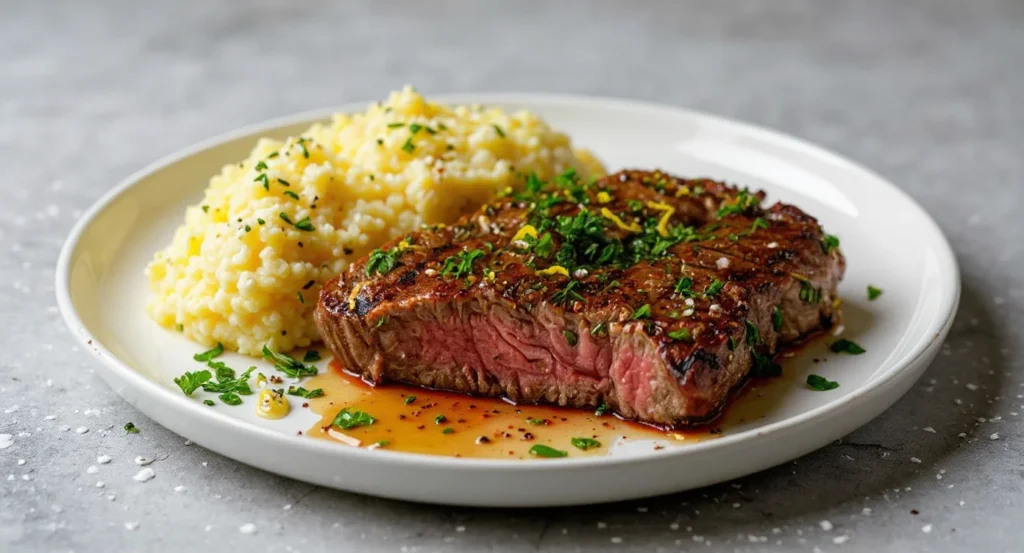
Ever stood over the stove after a long day, hungry and tired? Wishing dinner could be both quick and delicious? That’s why we love chuck eye steak. It’s affordable, easy to cook, and full of beefy flavor that feels like a treat.
In this piece, we promise a simple way to make a juicy and Easy Chuck Eye Steak Recipe at home. You’ll get tips for saving time and clear steps for pan-searing, grilling, or using the oven reverse-sear method.
We’ll share ideas for seasonings and marinades, tips for resting and slicing, and budget-friendly meal planning tricks. Our goal is to make cooking easy, fun, and creative for everyone!
Key Takeaways
- Chuck eye steak delivers big flavor at a lower price than ribeye.
- We’ll show three reliable cooking methods: pan-sear, grill, and reverse sear.
- Quick seasonings and 30-minute marinades make weeknight cooking easy.
- Resting and slicing against the grain are simple secrets to tenderness.
- This recipe saves time and stretches your grocery budget without skimping on taste.
Why Choose Chuck Eye Steak for an Easy, Tasty Meal
We love chuck eye steak because it offers big beef flavor without the high price of ribeye. It comes from the shoulder area and has tasty marbling. This marbling melts into the meat when cooked right, adding a savory bite and pleasing mouthfeel.
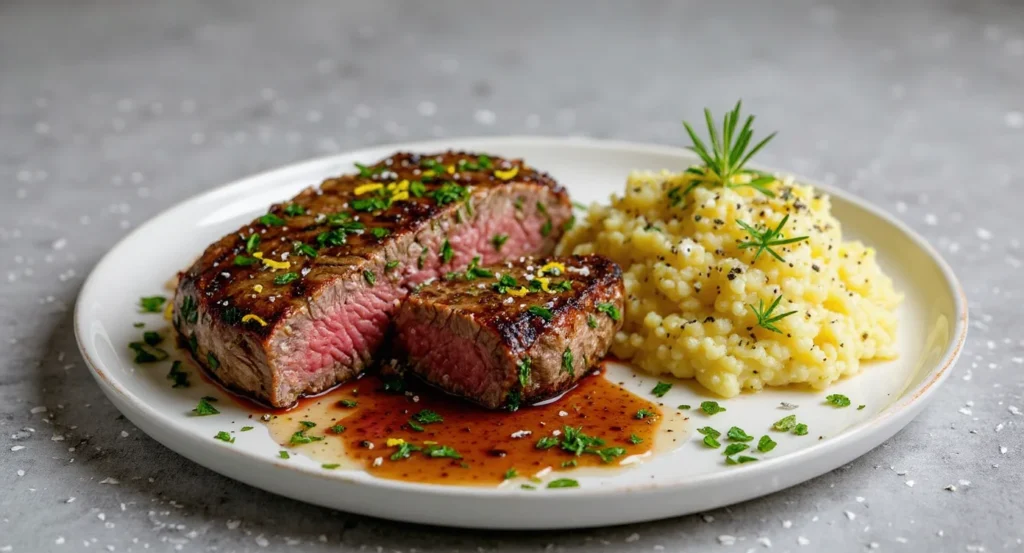
Flavor profile and texture compared to other cuts
The taste is beefy and robust, with a meaty character you notice right away. The intramuscular fat adds richness, rivaling fancier steaks.
The texture is firmer than a ribeye. Proper cooking, resting, or a reverse sear softens the fibers. This makes it tender. Use a quick sear or a short rest for the best mouthfeel.
Affordability and value for families
Chuck eye is usually less expensive than ribeye. This makes it a smart choice for family meals and those watching their budget. It still offers a great steak experience.
- Buy value packs at Costco or Walmart for savings.
- Check Kroger, Safeway, or your local butcher for thicker cuts that sear better.
- Pick slightly thicker steaks to control doneness and reduce waste.
When chuck eye is a great substitute for ribeye
Use chuck eye in recipes that need bold beef flavor, like marinades, braises, or family-style platters. It works well with sauces and strong seasonings.
Remember, it’s not as naturally tender as ribeye. But simple steps like marinating, light tenderizing, or using a reverse-sear can make it tender. This way, you save money while enjoying a great steak.
Easy Chuck Eye Steak Recipe
We love a recipe that gets great results with little fuss. This chuck eye steak method is simple. It uses a hot cast-iron or grill sear and an optional oven finish for even doneness. The cooking time is about 15–25 minutes. After cooking, let the steak rest for 5–10 minutes before slicing.
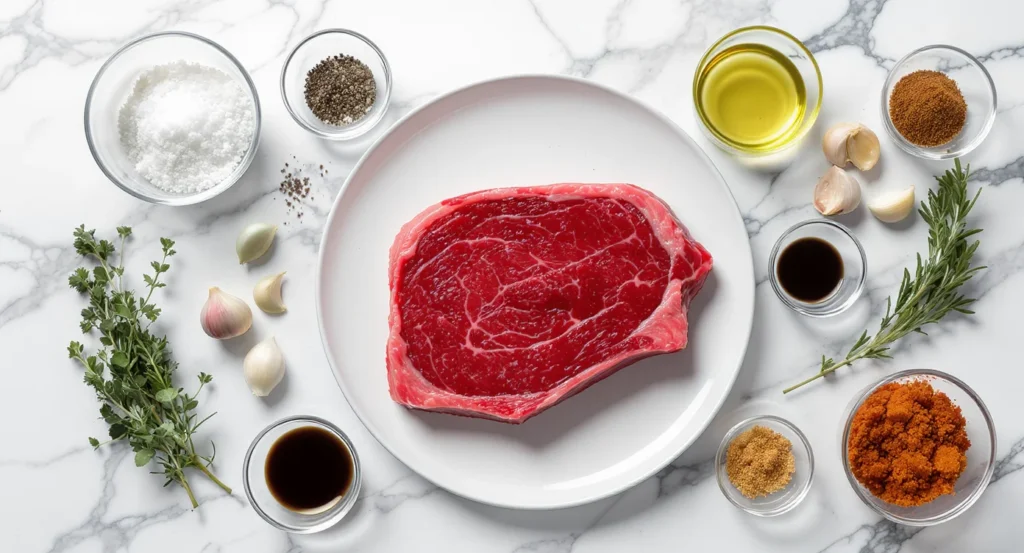
- Pat steaks dry and season with kosher salt and coarse black pepper.
- Heat a cast-iron skillet or preheat the grill until very hot.
- Sear 2–3 minutes per side for a nice crust, then finish in a 375°F oven if thicker.
- Total active time: 15–25 minutes. Passive resting: 5–10 minutes before slicing.
For a deliciously smoky finish, try pairing your steak with easy grilled scallops — a quick dish that complements the robust beef flavor and makes your meal feel complete without extra fuss.
Key reasons this recipe is stress-free
- Minimal ingredients — just steak, salt, pepper, and a splash of oil.
- Cooking method is forgiving: a hot pan or grill builds flavor fast.
- Use visual cues and touch to judge doneness, with an instant-read thermometer for precision.
- Cleanup is easy with one skillet or a simple grill grate wipe-down. Practice builds confidence fast!
What to expect in terms of flavor and doneness
- Flavor: savory, beef-forward taste with a caramelized, peppery crust.
- Texture: tender inside when cooked to the right temp, with a pleasant chew characteristic of chuck cuts.
- Target internal temperatures:
- Rare — 125°F
- Medium-rare — 130–135°F
- Medium — 140–145°F
- Always rest steaks 5–10 minutes so juices redistribute before slicing against the grain.
Ingredients You’ll Need for a Juicy Chuck Eye Steak
We keep this short and practical so you can shop fast and cook with confidence! Choose a chuck eye steak that’s 1–1.5 inches thick for even cooking. This thickness helps in getting a great crust. You can trim excess fat if you prefer, but some fat is good for flavor.
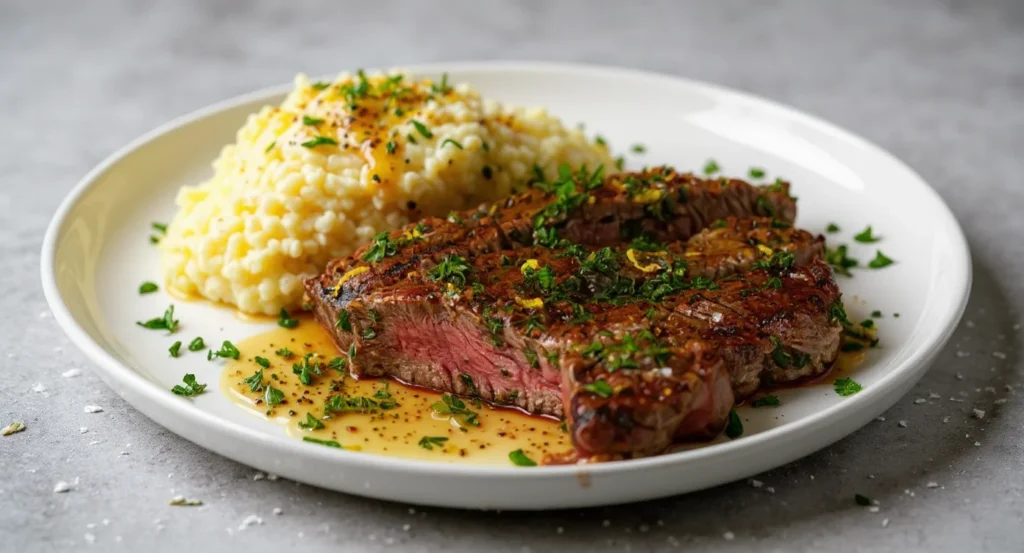
Essential items to have on hand
- Chuck eye steak, 1–1.5″ thick
- Kosher salt or sea salt
- Freshly ground black pepper
- Neutral oil with a high smoke point — canola, avocado, or grapeseed oil
Optional add-ins to boost flavor
- Butter for finishing; swap with ghee for dairy-free
- Fresh garlic cloves and sprigs of thyme or rosemary
- Soy sauce or Worcestershire for quick marinades
- Balsamic reduction or your favorite steak sauce for serving
- Smoked paprika, onion powder, or a touch of brown sugar for rubs
Substitutions for dietary preferences
- Paleo: Use coconut aminos instead of soy, choose avocado oil, skip added sugar
- Low-sodium: Cut back or omit salt. Add lemon zest, fresh herbs, and garlic to lift flavor
- Dairy-free: Skip butter and finish with an olive oil compound or ghee
- For best cook control, buy steaks at the recommended thickness and plan seasoning to suit your diet
Best Chuck Eye Steak Seasoning Ideas for Maximum Flavor
We love turning a simple chuck eye steak into a showstopper with smart seasonings. Here are easy, bold, and fresh ideas for any day. They boost beef flavor and are fun to make!
Simple rubs for a quick seasoning
- Classic salt-and-pepper: kosher salt and coarse black pepper only. This highlights rich beef flavor.
- Steakhouse rub: kosher salt, coarse black pepper, garlic powder. Sprinkle evenly and press gently.
- Coffee-chili rub: instant coffee, smoked paprika, brown sugar, black pepper. Rub on lightly for a caramelized crust.
Herb and garlic blends for a richer profile
- Garlic-thyme paste: minced garlic, chopped thyme or rosemary, lemon zest, and olive oil. Spread a thin layer before searing or use as a finishing brush.
- Compound herb butter: softened butter mixed with minced garlic and chopped parsley. Place a pat on the hot steak to melt and add silkiness.
Spice combinations to try for steak lovers
- Cajun-style mix: smoked paprika, cayenne, oregano, thyme, garlic powder. Great when you want a spicy kick.
- Mediterranean touch: za’atar or smoked sumac with a little lemon zest. Brightens the beef and pairs well with roasted vegetables.
Seasoning tips
- Apply rub 30–60 minutes before cooking for deeper flavor or right before searing for a quick finish.
- Let seasoned steak sit at room temperature 20–30 minutes to cook more evenly.
- Use a light hand with salt if you plan to finish with a salty butter or sauce.
Simple Chuck Eye Steak Marinade Options
We love a quick marinade that brings big flavor with little fuss. Below are easy, tested blends that tenderize and lift chuck eye steak. Pick one that fits your schedule and taste, then cook with confidence!
Quick 30-minute marinades that tenderize
These mixes work well when you need flavor fast. Marinate for 30–60 minutes for a light tenderize and bright taste.
- Acid + oil: 1/4 cup olive oil, 2 tbsp balsamic vinegar or lemon juice, 1 clove garlic minced, salt and pepper.
- Soy-based: 2 tbsp soy sauce, 1 tbsp honey, 1 tsp Dijon mustard, minced garlic.
- Herb drizzle: 1/4 cup avocado oil, lemon zest, chopped rosemary, cracked black pepper.
Overnight marinades for deeper flavor
When you have time, overnight marinades give the meat more depth and tenderness. Keep in the fridge up to 12 hours.
- Red wine and herbs: 1/2 cup red wine, 2 tbsp olive oil, chopped rosemary and thyme, 1 shallot sliced.
- Buttermilk or yogurt blend: 1 cup buttermilk or plain yogurt, 1 garlic clove minced, pinch of salt. Best for thinner cuts but can work overnight for mild tenderizing.
- Citrus and soy: 1/3 cup orange juice, 2 tbsp low-sodium soy, 1 tsp honey, grated ginger.
Paleo-friendly marinade choices
These options avoid processed soy and added sugars while keeping bright flavor and natural tenderizing action.
- Coconut aminos mix: 2 tbsp coconut aminos, 1/4 cup avocado oil, 1 tbsp apple cider vinegar, minced garlic, fresh thyme.
- Simple acid and fat: 1/4 cup avocado oil, 2 tbsp lemon juice, chopped parsley, sea salt.
- Herb and citrus: 1/3 cup orange juice, 2 tbsp olive oil, chopped rosemary, cracked pepper. Marinate 30 minutes to overnight depending on how bold you want the flavor.
We recommend patting steaks dry before searing for a better crust. Small tweaks to salt and acid change results, so taste and adjust as you go. Happy cooking!
How to Cook Chuck Eye Steak: Pan-Seared and Cast Iron Techniques
We love cooking chuck eye steak in a hot cast iron for a quick, flavorful weeknight meal! Below we guide you through prepping the skillet, building a perfect crust, and finishing to the doneness you want. Short steps, clear tips, and friendly encouragement make this easy to follow
Preparing your cast iron skillet and preheating
- Place a well-seasoned Lodge or similar cast iron on the stove over medium-high heat for 5–10 minutes until it gives off a light smoke.
- Pat steaks dry with paper towels. Dry meat browns better and gives a stronger Maillard crust.
- Lightly oil the steak, not the pan. A thin coat of avocado or canola oil on the meat helps control the crust and limits smoke.
Step-by-step pan-searing method for a perfect crust
- Season the steak just before it hits the skillet with kosher salt and cracked black pepper.
- Sear 2–4 minutes per side, based on thickness, without moving the steak so a deep crust forms.
- In the last minute, add a tablespoon of unsalted butter, smashed garlic cloves, and fresh thyme. Tilt the pan and baste the steak with that flavored butter for extra richness.
- For thicker cuts, transfer the skillet to a 400°F oven to finish, or use the reverse sear: low oven first, then hot skillet to crust.
Tips to avoid overcooking and achieve desired doneness
- Use an instant-read thermometer: 125°F for rare, 130–135°F for medium-rare, 140–145°F for medium. To ensure food safety while achieving your ideal steak doneness, keep handy the USDA’s safe minimum internal temperatures chart. It’s an essential resource for all home cooks aiming for both flavor and safety.
- Pull the steak when it reads about 5°F below your target to allow for carryover cooking.
- Rest steaks 5–10 minutes on a warm plate under tented foil so juices redistribute and slicing stays juicy.
We promise these steps make chuck eye steak easy and rewarding. Try one tip at a time and watch your confidence grow in the kitchen!
Grilled Chuck Eye Steak Tips for Outdoor Cooking
We love firing up the grill for chuck eye steak! A few smart steps can give you a great crust, juicy interior, and bold smoky notes. These tips make warm-weather cooking easy and fun for the whole family.
Getting the grill hot and setting up direct heat
Preheat your grill to high, aiming for 450–550°F for a strong sear. Clean the grates with a brush and oil them lightly to prevent sticking. For thick steaks, start on direct heat for the crust, then move to cooler zones as needed.
Grill marks, flipping frequency, and resting time
- Sear 2–4 minutes per side to build a brown crust. Flip once for even cooking and better caramelization.
- If the steak is thicker than 1 inch, after searing move it to indirect heat until it reaches the target internal temperature.
- Always rest steaks 5–10 minutes before slicing. Resting locks juices and makes slicing easier.
Smoke and wood options to complement beef
Choose wood to match the flavor you want. Hickory and oak deliver bold, classic beef notes. Apple and cherry add a mild, sweet lift that pairs well with a peppery rub.
- Use a smoker box on a gas grill or add soaked wood chips to charcoal.
- Soak chips briefly for charcoal setups or follow pellet/smoker box instructions for gas grills.
- Keep smoke light for 20–30 minutes so the wood enhances rather than overwhelms the beef.
We keep techniques low-stress and reliable so you can enjoy cooking outside. Try these steps next time you grill chuck eye steak and share the results with family and friends!
Chuck Eye Steak Oven Recipe for Hands-Off Cooking
The reverse sear technique is a game-changer for chuck eye steak—just start by roasting it gently at a low temperature in the oven, then finish with a blazing-hot sear in a skillet. This method ensures each bite is tender inside with a perfectly caramelized crust on the outside, all with minimal effort
Reverse sear method using oven and skillet
First, preheat your oven to 225–275°F. Arrange your steaks on a wire rack set over a baking sheet to let the heat flow all around the meat.
Check the internal temperature with an instant-read thermometer when the steaks are about 10–15°F shy of your final goal—this sets you up for that perfect finish in the skillet.
Next, heat a cast iron skillet until it smokes. Add avocado or grapeseed oil for searing. Sear each side for 30–60 seconds to get a nice crust. Add butter and garlic towards the end for extra flavor.
Baking times and temperature guidelines by thickness
- For a 1″ steak, cook at 250°F for about 15–25 minutes to reach medium-rare. Check early with a thermometer.
- A 1.5″ steak will take roughly 25–35 minutes at 250°F, depending on its starting temperature.
- Always trust the internal temperature over time. Aim for 10–15°F below the final temperature before searing.
Finishing techniques for a tender result
- Use a preheated cast iron for a fast, hot sear to avoid overcooking the center.
- Baste with butter, smashed garlic, and thyme during the last 15–30 seconds of searing for extra flavor.
- Rest the steaks 5–10 minutes on a warm plate before slicing. This lets the juices redistribute.
Chuck Eye Steak with Garlic Butter and Finishing Sauces
We love finishing a chuck eye steak with a glossy garlic butter or a quick pan sauce. These touches make a simple sear feel special. Keep steps short and flavors bold for all home cooks to shine!
Classic garlic butter compound
- Softened butter mixed with minced garlic, chopped parsley, lemon zest, and a pinch of salt.
- Spoon the compound over a hot steak so it melts and forms a shiny glaze.
- Try variations with blue cheese, grated horseradish, or smoked paprika for a twist.
Pan sauces from drippings
- After searing, remove the steak and leave the fond in the pan.
- Sauté a shallot in the drippings, deglaze with 1/4 cup red wine or a splash of balsamic.
- Add 1/2 cup beef stock, reduce until slightly thick, then whisk in 1 tbsp cold butter for shine and body.
- For more umami, finish with a dash of soy sauce or a teaspoon of Worcestershire.
Simple garnishes to boost presentation
- Scatter chopped parsley or chives for fresh color.
- Sprinkle flaky sea salt after slicing to lift the flavors.
- Add lemon wedges or microgreens for brightness and contrast on the plate.
Serving tip
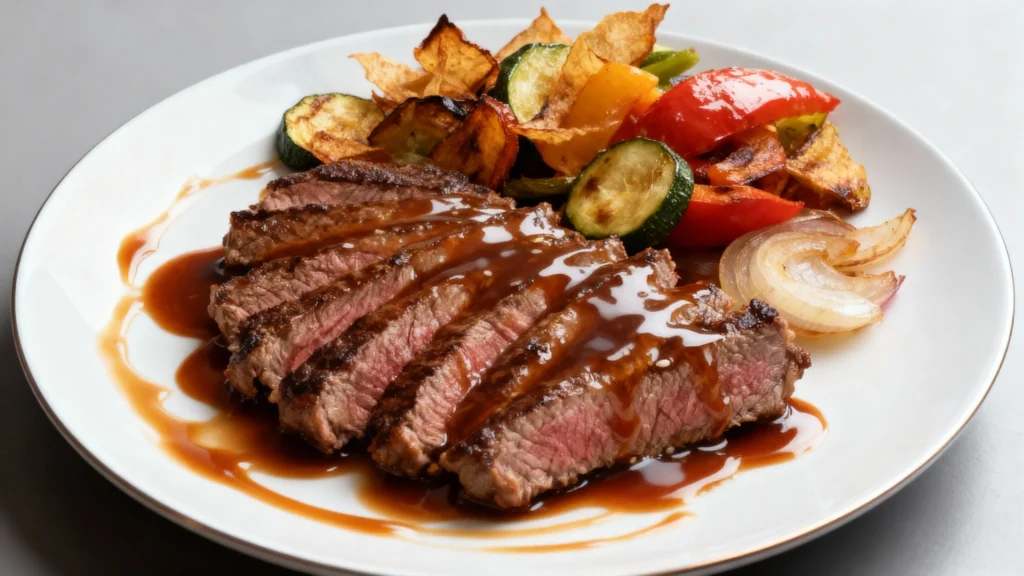
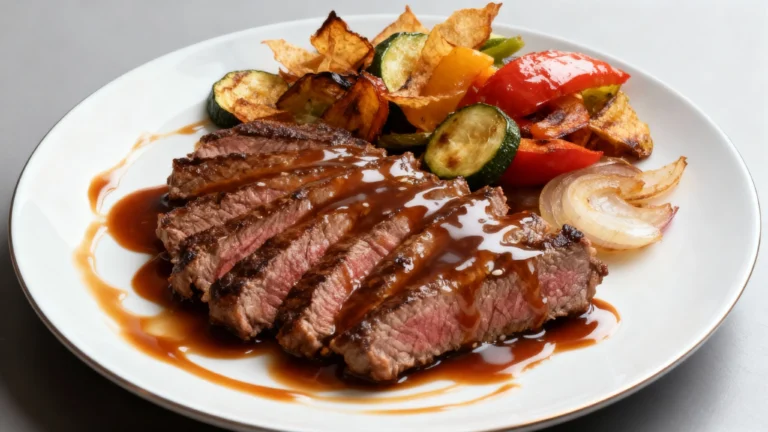
- Slice the steak against the grain and fan on warm plates. Spoon the warm pan sauce over your steak and top with a generous pat of garlic butter—serve right away to capture the freshest aroma and best texture.
Tender Chuck Eye Steak Recipe Secrets: Resting, Slicing, and Serving
Little habits make a big impact: after cooking, loosely tent the steak with foil and let it rest for 5–10 minutes. This step helps the juices redistribute, keeping every bite juicy and full of flavor
After cooking, rest the steak tented loosely with foil for 5–10 minutes. Resting lets the juices move back into the muscle. Expect carryover cooking to raise the internal temperature by about 5°F, so remove the steak a little early if you aim for medium-rare.
Best slicing techniques against the grain
Find the grain by looking for the direction of the muscle fibers. Slice across the grain to shorten fibers and make each bite tender.
- Use a sharp carving knife or a chef’s knife for clean cuts.
- Cut in smooth, confident strokes without sawing.
- Aim for 1/4–1/2 inch slices for ideal mouthfeel.
Serving suggestions and portion sizes for family meals
Plan 6–8 ounces per adult. If you serve sides, one steak for every two adults can work when steaks are on the larger side.
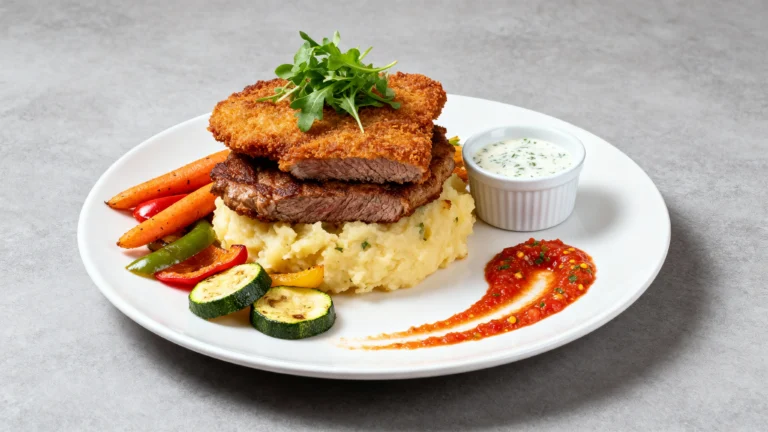
- Pair with creamy mashed potatoes and roasted carrots for a classic plate.
Serve it with a fresh green salad and our crispy Nashville hot mozzarella sticks for a fun and comforting dinner! The spicy crunch of the mozzarella sticks pairs perfectly with the rich, savory flavor of the steak, adding a delightful contrast everyone will love.
Use sliced steak in rice bowls with sautéed peppers and onions for a quick family meal.
We recommend offering sauces and compound butter separately so guests can choose flavor intensity. Small touches like a sprinkle of flaky sea salt or a pat of rosemary butter lift the whole dish and keep everyone smiling!
Quick and Delicious Chuck Eye Steak for Busy Weeknights
We love weeknight dinners that feel special but don’t take up the whole evening. Chuck eye steak cooks fast, tastes rich, and pairs well with simple sides. With a few prep tricks and one-pan ideas, we can get dinner ready in under 30 minutes. Plus, cleanup is a breeze.
Time-saving prep and make-ahead tips
- Pre-mix rubs or marinades in jars for the week. Label and stash in the fridge for quick use.
- Bring steaks to room temperature while the pan or oven preheats. That shaves minutes off cook time.
- Choose thin-cut chuck eye steaks when you’re pressed for time. They sear quickly and hit the right doneness fast.
- Trim and chop vegetables the night before. Store in a container so you can toss them straight into the pan. For guidance on freezing and vacuum packaging meats to keep quality intact longer, visit USDA’s Meat Storage Chart to avoid freezer burn and food waste.
One-pan meal ideas to serve with the steak
- Sear steaks in a hot cast-iron skillet, add halved baby potatoes and mushrooms, then finish in the oven for an easy sheet-pan style meal.
- Make a quick skillet fajita bowl: slice the cooked steak, sauté peppers and onions, add a splash of Worcestershire, and serve over rice or greens.
- Try a garlic-herb skillet: cook steak, remove, toss green beans and cherry tomatoes in the same pan, then return steak to warm through.
Leftover ideas to repurpose cooked chuck eye steak
- Steak salads: slice thin and layer over mixed greens with a tangy vinaigrette.
- Sandwiches or tacos: warm slices, add pickled onions, cilantro, and a squeeze of lime.
- Steak fried rice: chop steak, toss with day-old rice, peas, and a splash of soy sauce.
- Steak and eggs: quick skillet reheat with a splash of beef broth to keep meat juicy, then top with fried eggs for breakfast!
Chuck Eye Steak vs Ribeye: What Steak Lovers Should Know
We love a good steak debate! Below we break down the key differences between chuck eye and ribeye so you can pick the best cut for the meal. Short, practical tips help you match flavor, texture, and budget to the cooking method you plan to use.
Comparing marbling, flavor, and tenderness
- Ribeye usually shows more uniform marbling. That fat delivers a buttery, tender bite when cooked to medium-rare.
- Chuck eye sits closer to the shoulder. It has good beefy flavor and pockets of marbling, but the grain can be a bit firmer.
- If you want the softest, richest mouthfeel, reach for ribeye. If you prefer bold, meaty taste with a bit more chew, choose chuck eye.
Price and availability differences
- Ribeye commands a premium at supermarkets and butcher shops across the U.S.
- Chuck eye tends to be much cheaper and turns up often at Walmart, Kroger, Costco, and local butchers.
- Regional demand affects stock. In summer grilling season, both cuts appear more frequently. In some areas, chuck eye is a steady, affordable option year-round.
When to choose one over the other
- Pick ribeye for birthdays, dinner parties, or any time tenderness is the top priority.
- Pick chuck eye for weeknight grilling, family meals, or recipes that call for bolder beef flavor on a budget.
- To get the best from chuck eye, try marinating, reverse searing, or slow cooking. These techniques boost tenderness and highlight the rich beef notes.
Budget-Friendly Chuck Eye Steak Dinner Ideas
We enjoy making chuck eye steak a budget-friendly option for weeknights. A bit of planning and smart shopping can make every steak a hit with the family. Here are some tips to save money and impress without stress.
Meal planning and shopping tips to save money
Look for bulk deals at Costco or Sam’s Club. Compare prices and freeze steaks in vacuum-sealed bags to keep quality up and waste down.
Discuss chuck eye options with your local butcher. Small changes in cut can mean more meat for your money. Plan to have two meat-based meals and one plant-based meal each week to save.
Pairing affordable sides and salads
Choose seasonal produce for better taste and lower cost. Roasted root veggies like carrots and potatoes are great with steak and cheap to buy in bulk.
- Garlic mashed potatoes — creamy and filling.
- Simple green salad with lemon vinaigrette — bright and low-cost.
- Buttered rice or herb couscous — stretches the meal for picky eaters.
Round out your dinner with a hearty side like our loaded potato salad with bacon — it’s creamy, flavorful, and adds a satisfying bite alongside the tender steak and roasted veggies.
Hosting a steak dinner on a budget
Plan a make-ahead menu. Marinate steaks early, roast veggies while steaks rest, and serve everything family-style. This cuts down on serving time and cleanup. A compound butter with parsley and garlic adds flavor without extra cost.
Use cheap garnishes like parsley, lemon wedges, or flaky salt to enhance the look. Serve with a hearty side and a fresh salad to keep everyone full and costs low.
Conclusion
Chuck eye steak is a tasty, affordable option that impresses with simple flavors and techniques. A simple sprinkle of salt, pepper, or your favorite quick rub is all it takes to create a mouthwatering crust and robust beefy flavor.
Chuck eye steaks shine whether pan-seared, grilled, or cooked with the reverse sear method—each approach brings out their juicy, tender best.
For extra tenderness, try marinades. Finish with garlic butter or a pan sauce for a fancy touch. Remember to rest the steak, slice it against the grain, and serve with easy sides. An instant-read thermometer ensures perfect doneness every time.
We aim to make cooking easy and fun. Follow the step-by-step guides in this article, try different rubs or wood smoke, and get better with each try. Get your ingredients ready, choose a method, and cook it up. Then, share your creations and favorite changes. Happy cooking!
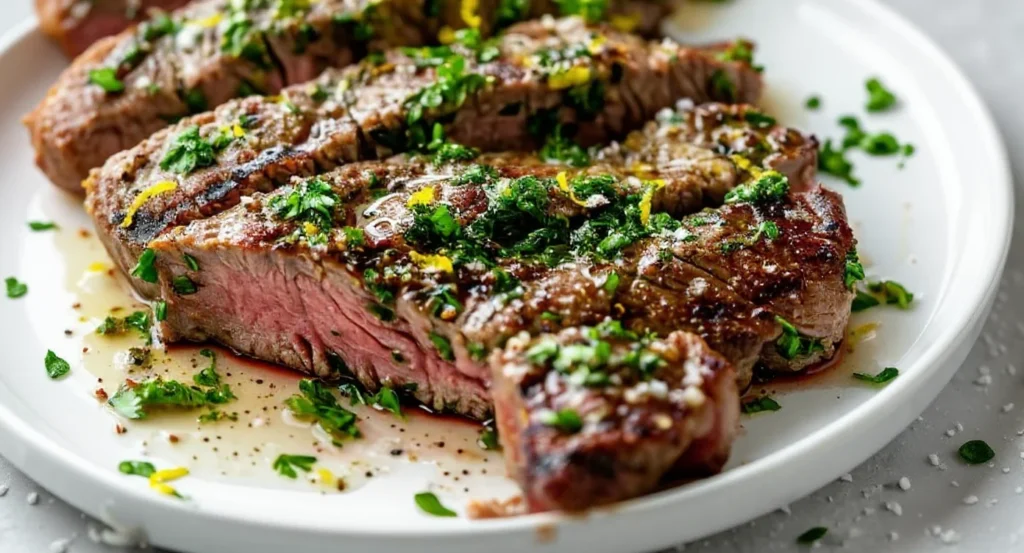
Easy Chuck Eye Steak Recipe
Short Description
Enjoy a juicy and flavorful chuck eye steak that’s budget-friendly and easy to cook. Perfect for weeknight dinners or family meals, this recipe uses simple ingredients and three reliable cooking methods to deliver a tender, beefy steak every time.
Recipe Details
- Serving Size: 1 steak (6-8 oz)
- Prep Time: 10 minutes
- Cook Time: 15-25 minutes
- Total Time: 25-35 minutes (including resting)
Ingredients per Serving
- 1 chuck eye steak (1–1.5 inches thick)
- Kosher salt or sea salt, to taste
- Freshly ground black pepper, to taste
- 1 tablespoon neutral oil (canola, avocado, or grapeseed)
- Optional: 1 tablespoon butter or ghee
- Optional: Fresh garlic cloves and sprigs of thyme or rosemary
- Optional: Soy sauce or Worcestershire for quick marinades
- Optional: Smoked paprika, onion powder, or brown sugar for rubs
Nutritional Facts
- Calories: ~320 per serving
- Protein: 28g
- Carbohydrates: 0g
- Fats: 22g
- Fiber: 0g
- Sodium: 300mg (varies with seasoning)
- Sugar: 0g
Instructions
Step 1: Prepare the Steak
Pat the chuck eye steak dry with paper towels to ensure a strong crust. Season generously with kosher salt and freshly ground black pepper on both sides. Optional: apply your chosen rub or marinade 30–60 minutes before cooking for more flavor.
Step 2: Preheat Your Cooking Surface
Heat a well-seasoned cast iron skillet or preheat your grill to high, about 450–550°F. If using a pan, add a splash of neutral oil on the steak (not the pan) to control smoke and promote even browning.
Step 3: Sear the Steak
Place the steak on the hot skillet or grill. Sear 2–4 minutes per side without moving it to develop a caramelized, peppery crust. For thicker steaks, transfer the pan to a preheated 375°F oven after searing to finish cooking evenly.
Step 4: Baste and Add Flavor
In the last minute of cooking, add butter, smashed garlic cloves, and fresh herbs like thyme or rosemary to the pan. Tilt the pan and spoon the melted butter over the steak for extra richness and aroma.
Step 5: Check Doneness and Rest
Use an instant-read thermometer to check the internal temperature: 125°F for rare, 130–135°F for medium-rare, and 140–145°F for medium. Remove the steak about 5°F before your target temperature to allow for carryover cooking. Let the steak rest for 5–10 minutes tented loosely with foil to let juices redistribute.
Step 6: Slice and Serve
Slice the steak against the grain into 1/4- to 1/2-inch thick slices for the most tender bite. Serve with your favorite sides or a simple salad. Optionally, top with a pat of garlic herb butter or drizzle pan sauce made from the cooking drippings.