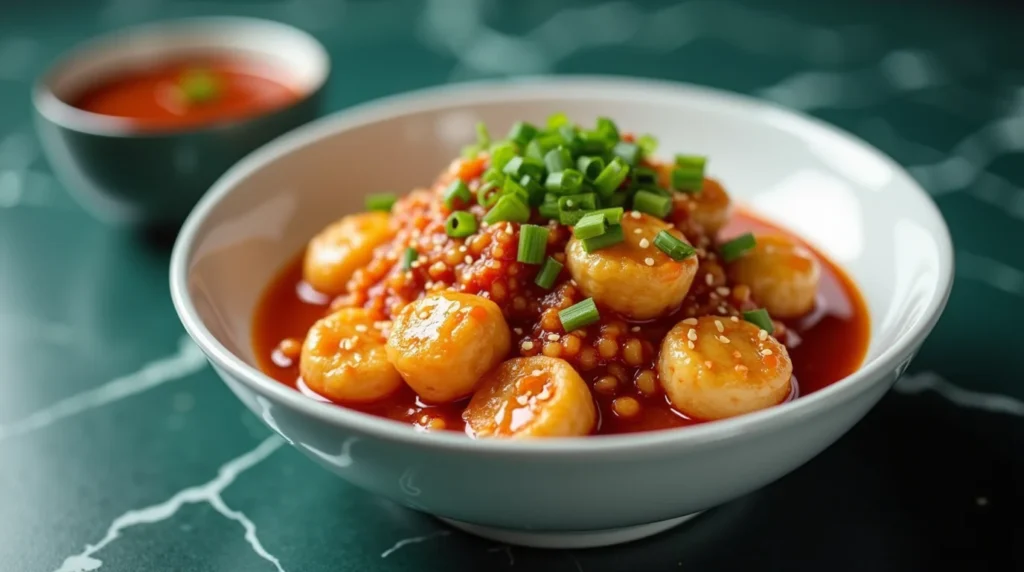
The Best Authentic Korean Tteokbokki Recipe You’ll Ever Taste
Share this recipe
I’ll never forget my first bite of authentic Korean tteokbokki. The spicy, chewy rice cakes danced across my taste buds. They took me straight to the vibrant streets of Seoul. This incredible Korean rice cake recipe isn’t just a dish—it’s a culinary adventure that captures the heart of Korean street food culture!
If you love exploring bold Asian flavors, you’ll also want to check out my savory and satisfying beef bibimbap bowl with fried egg. It’s another classic Korean comfort dish that’s perfect for weeknight dinners or whenever you’re craving something hearty and delicious.
Our Spicy and Authentic Korean Tteokbokki Recipe is more than just a meal; it’s a gateway to experiencing the rich flavors of Korean cuisine. Whether you’re a seasoned cook or a curious food lover, this recipe will transform your kitchen into a Korean street food paradise.
For a fun twist on sweet rice-based treats, don’t miss my easy ube mochi pancake recipe. It’s a delightful way to experience chewy textures and vibrant flavors, just like tteokbokki but in a breakfast-ready form.
Key Takeaways
- Discover the authentic taste of traditional Korean street food
- Learn the secrets to perfectly chewy rice cakes
- Master the art of creating a delicious spicy sauce
- Explore the cultural significance of tteokbokki
- Impress friends and family with your Korean cooking skills
And if you’re in the mood for something crispy and spicy, our spicy honey butter fried chicken makes the perfect pairing with tteokbokki for a true Korean street food feast at home.
Why Tteokbokki is Korea's Most Beloved Street Food

Tteokbokki is the star of Korean street food, loved by many in Seoul and around the world. It’s a spicy, chewy dish that has moved from royal tables to a beloved comfort food. It brings people together, across generations and cultures.
Exploring tteokbokki shows why it’s a key part of Seoul’s street food scene. The red rice cakes are full of flavor and tell a story of tradition and community. It’s more than just a snack.
Cultural Roots of a Beloved Dish
Tteokbokki’s charm comes from its cultural importance. Korean food is all about bringing people together, and this dish does just that. It’s loved by many for different reasons:
- Affordable and filling
- Packed with bold flavors
- Represents communal dining experiences
- Adaptable to various taste preferences
A Delicious Historical Journey
Tteokbokki started in royal courts and has an amazing story. It went from a fancy royal dish to a popular street food. This shows the changing face of Korean food traditions.
Tteokbokki is more than food — it’s a cultural ambassador that tells the story of Korea through every spicy, chewy bite!
Today, tteokbokki is enjoyed on Seoul’s streets and in homes everywhere. Its mix of texture and taste has captured hearts worldwide.
Essential Ingredients for Traditional Korean Tteokbokki

Making a real gochujang tteokbokki starts with picking the right stuff. We’re on a journey to find out what makes this Korean street food so loved!
Let’s explore the key ingredients for a simple Korean tteokbokki. It will take your taste buds on a trip to Seoul:
- Rice Cakes (Tteok): The main attraction – soft, chewy rice cakes
- Gochujang Paste: A spicy, fermented red chili sauce that gives tteokbokki its signature kick
- Fish Cakes: A classic addition to tteokbokki with fish cakes that adds depth and texture
- Green Onions: Fresh garnish for brightness and color
- Sesame Seeds: For a nutty finish
When picking ingredients for tteokbokki with fish cakes, quality is key! Choose fresh, high-quality Korean fish cakes. They make your dish go from good to amazing.
Pro Tip: Fresh ingredients are the secret to an authentic Korean street food experience!
It’s best to shop at local Asian grocery stores or specialty markets for the real deal. Your taste buds will appreciate the extra work!
Understanding Korean Rice Cakes: The Heart of Tteokbokki

Rice cakes are the magic that turns a simple dish into a Korean culinary masterpiece! To make a traditional Korean rice cake recipe, knowing about these chewy rice cakes is key. It’s what makes Tteokbokki truly authentic.
Let’s explore the world of Korean rice cakes and see why they’re so unique!
Different Types of Rice Cakes
Korean rice cakes come in many exciting types:
- Cylindrical Rice Cakes (Garaetteok): Long, thick cylinders perfect for Tteokbokki
- Sliced Rice Cakes: Shorter, bite-sized pieces ideal for stir-frying
- Round Rice Cakes: Smooth, disc-shaped varieties used in different recipes
How to Choose the Perfect Rice Cakes
Choosing the right chewy rice cakes is crucial for a great Tteokbokki. Look for these important traits:
- Smooth, uniform texture
- Bright white or slightly off-white color
- Firm but pliable consistency
- No signs of discoloration or moisture
Fresh vs. Frozen Rice Cakes
When making your korean rice cake recipe, you’ll find two main options: fresh and frozen rice cakes. Fresh rice cakes have better texture and taste. Frozen ones are convenient and last longer. For the best Tteokbokki, go for fresh rice cakes!
Pro tip: Always check the packaging date and store rice cakes properly to maintain their delicious chewy texture!
The Secret Behind Authentic Korean Tteokbokki Recipe
Making the best tteokbokki recipe is an art. It’s not just about the ingredients. Our korean home cooking secrets show how to turn this dish into something amazing!
Here are the secrets to a truly authentic korean tteokbokki recipe:
- Sauce Depth: Layer flavors with gochujang, gochugaru, and a bit of sweetness
- Rice Cake Selection: Use freshly made rice cakes for the best chewy texture
- Cooking Technique: Use gentle heat and stir constantly to avoid sticking and ensure even coating
Professional Korean home cooks see tteokbokki as more than a recipe. It’s a culinary journey. The magic is in finding the right balance of spice, sweetness, and texture.
Pro tip: The secret is in the sauce! A perfect blend of gochujang creates that signature tangy-sweet flavor that makes tteokbokki irresistible.
Practice makes perfect. Every time you cook, you’ll get better at making the authentic korean tteokbokki recipe. It will impress your family and friends!
Mastering the Gochugaru and Gochujang Sauce
Exploring spicy Korean dishes, we’re about to unlock a secret sauce for tteokbokki. The magic of gochujang tteokbokki is its rich flavor. It turns simple rice cakes into a culinary masterpiece!
The sauce is the heart of spicy tteokbokki. It combines gochugaru and gochujang. These ingredients create a sauce that’s both fiery and satisfying.
Understanding Flavor Components
- Gochugaru: Korean red pepper flakes that provide a smoky heat
- Gochujang: Fermented red pepper paste that adds depth and complexity
- Balanced blend of sweet, spicy, and umami flavors
Crafting the Perfect Sauce Consistency
Creating the right sauce consistency is key for an authentic Korean street food experience. We recommend a technique that ensures every rice cake is perfectly coated with our spicy sauce.
- Start with a base of gochujang
- Gradually add gochugaru for controlled heat
- Incorporate small amounts of sugar to balance spiciness
- Whisk until smooth and glossy
Pro tip: The key to an amazing spicy Korean dish is finding your perfect heat level!
Remember, tteokbokki is versatile. You can adjust the spice levels to your liking!
Step-by-Step Cooking Instructions
Are you ready to make a delicious homemade tteokbokki? It’s like taking a trip to Seoul without leaving your kitchen. Our easy tteokbokki recipe is great for beginners who love Korean food!
Let’s make it simple with these steps:
- Soak frozen rice cakes in warm water for 10 minutes
- Chop green onions and set aside for garnishing
- Heat a large skillet or wok over medium heat
- Add gochugaru and gochujang to make the spicy sauce
- Pour in water or broth to get the right sauce consistency
- Add rice cakes and simmer until they’re soft and chewy
Tip for beginners: Be careful with the heat. You want a gentle simmer, not a fast boil. This keeps your rice cakes perfect.
This recipe takes 15-20 minutes to make. It’s quick and perfect for busy cooks who want a tasty meal.
Tips for Achieving the Perfect Chewy Texture
Mastering the chewy texture of Korean rice cakes is an art. The secret to a great korean rice cake recipe is its perfect, springy feel. This makes tteokbokki so tempting!
Texture is key to a great tteokbokki experience. Here are some expert tips to make your homemade rice cakes amazing!
Solving Common Texture Challenges
When making chewy rice cakes, texture problems can happen. Here are our top fixes:
- Prevent sticking by coating rice cakes in a light oil before cooking
- Avoid overcooking, which turns chewy rice cakes into mushy disappointments
- Use fresh or properly thawed rice cakes for optimal texture
- Stir gently to maintain the structural integrity of the rice cakes
Smart Storage and Reheating Techniques
Keeping your korean rice cake recipe chewy needs careful steps:
- Store leftover rice cakes in an airtight container
- Refrigerate for up to 2-3 days
- Reheat quickly in a pan with a splash of water to restore moisture
- Avoid microwave reheating, which can destroy the chewy texture
Follow these expert tips to make tteokbokki that rivals restaurant quality. Enjoy the authentic Korean street food taste in your kitchen!
Optional Add-ins to Enhance Your Tteokbokki
Want to make your korean comfort food even better? Tteokbokki is super versatile for creative cooks! Adding tasty mix-ins can really make this dish stand out.
Adding fish cakes to tteokbokki makes it a hearty, protein-rich meal. It’s a favorite among Korean street food fans. Let’s look at some yummy additions to take your dish to the next level!
- Protein Boosters
- Sliced fish cakes
- Boiled eggs
- Tender chicken strips
- Tofu cubes
- Vegetable Enhancements
- Green onions
- Crispy cabbage
- Sliced mushrooms
- Sweet corn kernels
The secret is to balance flavors without drowning the spicy sauce. Our top pick is tteokbokki with fish cakes. It’s a classic Korean comfort food that always hits the spot!
Pro Tip: Add ingredients during the last few minutes of cooking to maintain their texture and prevent overcooking.
Try out these ideas and find your favorite tteokbokki mix. Your taste buds will love you for it!
Pairing Your Tteokbokki: Traditional Korean Side Dishes
Creating the perfect korean comfort food experience is more than just making tteokbokki. It’s about pairing it with the right banchan (side dishes). This turns the meal into a fun culinary journey!
When making k-food recipes, balancing flavors is key. Traditional Korean food focuses on harmony between tastes and textures.
Delicious Banchan Companions
- Kimchi: The classic fermented side dish that adds tangy complexity
- Crispy Korean fried dumplings (Mandoo)
- Refreshing cucumber salad
- Seasoned spinach (Sigeumchi Namul)
- Pickled radish (Kkakdugi)
Perfect Beverage Pairings
Choosing the right drink can make your tteokbokki even better. Here are some traditional and modern drink options:
- Soju – Korea’s iconic alcoholic drink
- Makgeolli (rice wine)
- Korean beer
- Chilled green tea
- Sparkling water with citrus
By picking the right banchan and drinks, you’ll make a memorable korean comfort food spread. It will delight all your senses!
Troubleshooting Common Tteokbokki Challenges
Learning to make tteokbokki can be tough, but we’re here to help. We’ll guide you through common issues in Korean cooking. These tips will help your tteokbokki come out right every time, whether you’re new or experienced.
Getting the right texture for rice cakes is a big challenge. Here are some tips from experts:
- Too Chewy Rice Cakes: Soak them in warm water for 10-15 minutes to make them softer
- Mushy Rice Cakes: Cook them for less time and keep the heat low
- Stuck Together Rice Cakes: Gently separate them before cooking and add a bit of oil to stop sticking
Getting the sauce right is key to a great tteokbokki. Here’s how to achieve it:
- If the sauce is too thin, cook it longer to thicken it
- For a thicker sauce, add a little water or broth
- Always taste and adjust the seasonings slowly
“Cooking is about patience and practice – every great chef started exactly where you are now!” – Korean Cooking Wisdom
Creating perfect tteokbokki takes time. With each try, you get closer to becoming a Korean cooking pro!
Making Restaurant-Style Tteokbokki at Home
Turning your kitchen into a Korean street food haven is simple. Our top tteokbokki recipe lets you make it just like the restaurants. Get ready to amaze your taste buds with expert Korean street food techniques!
To make your home cooking as good as a restaurant, follow some pro chef tips. We’ll share secrets to make your tteokbokki go from great to amazing!
Pro Chef Techniques for Perfect Tteokbokki
- Use fresh rice cakes for the best texture
- Control your heat to avoid sticking
- Stir constantly for even sauce
- Season your sauce slowly for deep flavors
Stunning Presentation Tips
How you plate your tteokbokki can make it look like a restaurant dish. Here are some tips:
- Choose white ceramic plates to highlight colors
- Top with finely chopped green onions
- Add toasted sesame seeds for crunch
- Include a small side of pickled radish for contrast
Pro tip: The secret to a great Korean street food recipe is balancing spice, texture, and looks!
With these tips, your tteokbokki will look and taste like it’s from Seoul’s streets. Remember, practice makes perfect, so keep trying!
Variations of Traditional Tteokbokki
Korean food for beginners often start with traditional tteokbokki. But, this dish is incredibly versatile! Let’s look at some tasty variations that will change your taste experience.
Cheese lovers will love the cheesy tteokbokki version. It has melted cheese that adds a rich, creamy texture. This mix is very popular among young Korean food fans.
- Seafood Tteokbokki: Packed with shrimp, squid, and mussels
- Cream Sauce Tteokbokki: A milder, less spicy alternative
- Vegetarian Tteokbokki: Loaded with tofu and fresh vegetables
- Fusion Tteokbokki: Incorporating Western ingredients like bacon or jalapeños
For a lighter option, try a broth-based tteokbokki. This version has less sauce but keeps the traditional flavors. It’s great for home cooks who want to try Korean dishes.
Pro tip: Always start with the classic recipe before exploring variations!
Every variation brings a new twist to the beloved street food. There’s a tteokbokki style for everyone. So, don’t be shy to try new things in your kitchen!
Health Benefits and Nutritional Information
Tteokbokki is more than a tasty spicy Korean dish. It’s also full of nutritional value. This beloved korean comfort food is great for those who love good food and health.
The ingredients in tteokbokki offer amazing health benefits:
- Rice cakes (tteok) are low in fat and give complex carbs
- Gochujang sauce has good probiotics
- Protein from optional add-ins like fish cakes adds to the nutrition
Gochugaru, the Korean red pepper powder, adds health benefits to this spicy dish. It’s full of capsaicin, which can help speed up metabolism and lower inflammation. The pepper also has antioxidants that help with overall health.
Nutritional breakdown per typical serving:
- Calories: About 250-300
- Protein: 6-8 grams
- Carbohydrates: 45-50 grams
Pro tip: Choose lean protein additions and control sauce portions to make tteokbokki an even healthier korean comfort food option!
While it’s tasty, remember to eat it in moderation. Tteokbokki can be part of a healthy diet if enjoyed wisely. If you’re curious about the health benefits of spicy foods like gochugaru and gochujang, check out this helpful guide from the healthline Nutrition Source. It explains how chili peppers can boost metabolism and support overall wellness, making your tteokbokki experience even more rewarding.
Storage and Meal Prep Guidelines
Don’t worry if you can’t finish homemade tteokbokki in one sitting! Korean home cooking has great tips for storing it. This way, you can enjoy it all week long.
Here are the key steps for storing your homemade tteokbokki:
- Refrigerate in an airtight container for up to 3 days
- Keep sauce and rice cakes separate to avoid a soggy texture
- Use glass or ceramic containers for the best storage
Freezing tteokbokki needs some extra care. Pro tip: Freeze rice cakes and sauce separately. This keeps their texture and flavor just right.
How you reheat leftover tteokbokki is important. Here are our top methods:
- Stovetop: Reheat gently with a little water
- Microwave: Add a few drops of water and cover it
- Don’t use high heat to keep rice cakes soft
- If you want to learn more about safe reheating and meal prep, the CDC’s food safety guidelines are a fantastic resource for every home cook. They cover everything from proper reheating temperatures to avoiding foodborne illness, so you can enjoy your tteokbokki with peace of mind.
Remember, the key to great Korean home cooking is preserving the authentic taste and texture!
Meal prepping tteokbokki can be a lifesaver for busy cooks. Make big batches and portion them out. This way, you can have quick, tasty meals all week.
Authentic vs. Modern Interpretations
Tteokbokki is more than just a dish; it’s a canvas of Korea’s rich food culture! Our recipe dives into the world of regional flavors that make this street food so thrilling.
Exploring Korean Regional Flavors
Every Korean region adds its own special touch to tteokbokki, turning it into a local favorite. These variations show the amazing creativity of Korean cooking:
- Busan-style tteokbokki includes seafood
- Seoul’s version is a classic spicy dish
- Jeju Island adds local black pork
Contemporary Culinary Innovations
Modern chefs are making tteokbokki their own, blending tradition with new ideas. These modern twists include:
- Fusion tteokbokki with cheese or spices from around the world
- Vegetarian and vegan options
- Upscale restaurant versions
Tteokbokki shows that old and new can mix beautifully!
Whether you love the traditional or enjoy trying new things, there’s a tteokbokki for you. Start your tasty adventure with this iconic Korean dish!
Conclusion
We’ve explored the tasty world of simple Korean tteokbokki. We’ve learned about its rich history and how to cook it. This dish is more than just food; it’s a way to discover Korean cuisine.
For those new to Korean food, tteokbokki is a great starting point. It lets you dive into traditional cooking with ease. By making this dish, you connect with a long-standing cultural tradition.
Your kitchen is now a place for creativity. You can follow the recipe or try new things. Cooking is about enjoying the process, learning, and sharing with others.
We encourage you to keep exploring Korean cuisine. Your tteokbokki adventure is just starting. We’re excited to see the tasty memories you’ll make!
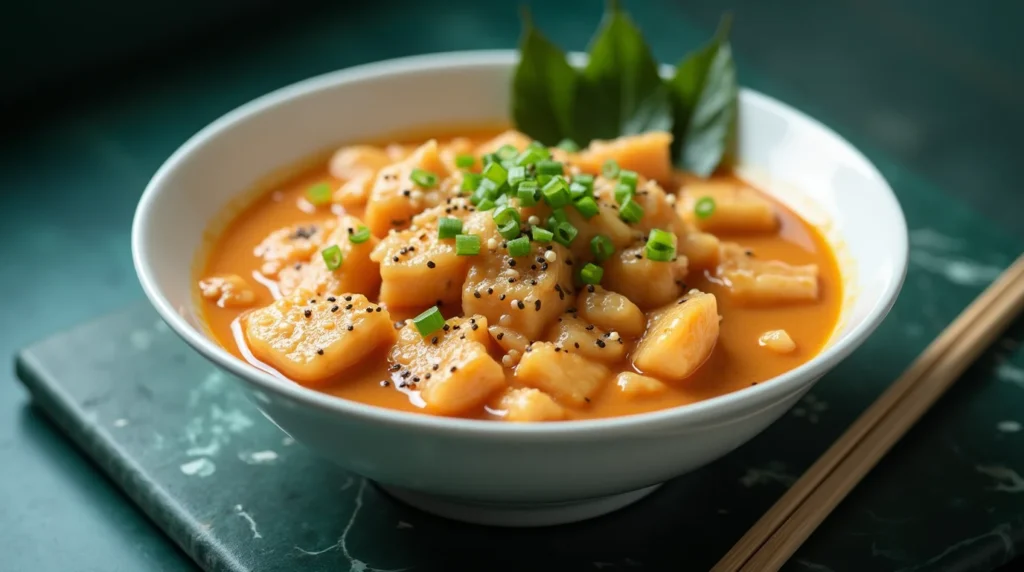
Authentic Korean Tteokbokki Recipe
Short Description
Experience the bold, spicy, and chewy delight of authentic Korean tteokbokki right at home! This beloved street food combines soft rice cakes with a fiery gochujang sauce, bringing the vibrant flavors of Seoul to your kitchen. Whether you’re new to Korean cooking or a longtime fan, this recipe is your ticket to a true culinary adventure.
Recipe Details
- Serving Size: 2 servings
- Prep Time: 10 minutes
- Cook Time: 15 minutes
- Total Time: 25 minutes
Ingredients per Serving
- 1 cup Korean rice cakes (tteok), fresh or frozen
- 2 tablespoons gochujang (Korean red chili paste)
- 1 tablespoon gochugaru (Korean red pepper flakes), adjust to taste
- 1 tablespoon sugar
- 1 ½ cups water or anchovy broth
- 2 Korean fish cakes, sliced (optional)
- 1 green onion, chopped
- 1 teaspoon toasted sesame seeds
- 1 teaspoon soy sauce (optional)
Nutritional Facts
- Calories: 250–300
- Protein: 6–8g
- Carbohydrates: 45–50g
- Fats: 3–5g
- Fiber: 2–3g
- Sodium: 900–1100mg
- Sugar: 7–10g
Instructions
Step 1
If using frozen rice cakes, soak them in warm water for 10 minutes to soften. Drain and set aside.
Step 2
Prepare your vegetables and fish cakes: slice the green onion and cut the fish cakes into bite-sized pieces.
Step 3
In a large skillet or wok, combine the water (or broth), gochujang, gochugaru, sugar, and soy sauce. Whisk until the sauce is smooth and glossy.
Step 4
Add the rice cakes and fish cakes to the pan. Bring to a gentle simmer over medium heat, stirring occasionally to prevent sticking.
Step 5
Let the mixture cook for 10–12 minutes, or until the rice cakes are soft and chewy and the sauce has thickened to your liking. Stir gently to coat everything evenly.
Step 6
Turn off the heat. Sprinkle with chopped green onions and toasted sesame seeds for a fresh, nutty finish.
Step 7
Serve hot and enjoy your homemade, authentic Korean tteokbokki! Pair with kimchi or your favorite Korean side dishes for the full experience.