Discover the Secret to the Most Authentic German Pancake Recipe Ever
Share this recipe
We remember the first time we pulled a German pancake from the oven. Its edges curled into a golden, puffy crown. Our kitchen filled with warm butter and vanilla scents, making the day feel brighter. If you’ve ever wanted a reliable recipe that delivers that same wow — every single time — you’re in the right place.
This guide is for home cooks across the United States. It’s for both curious beginners and confident weekend chefs. We’ll explore history, ingredient picks, and a simple recipe for a fluffy German puff without surprises.
Keep reading and we’ll show you:
- Why this authentic German pancake stands apart
- Key ingredients and smart swaps
- Step-by-step batter and baking tips for a consistent rise
- Sweet and savory variations, blender-free methods, and storage tricks
For a savory twist, consider pairing your pancake breakfast with the rich flavors of this easy ground beef stroganoff. It’s cozy, satisfying, and makes a memorable addition to any brunch spread.
We believe cooking should be joyful and creative. Our promise: clear instructions, friendly guidance, and recipes you’ll trust. Let’s make breakfast magic — together!
Key Takeaways
- This guide delivers a tested, authentic German pancake recipe that puffs reliably.
- We cover ingredients, history, and techniques for consistent texture and flavor.
- Includes sweet and savory variations plus blender-free options.
- Step-by-step baking tips help you get even rise and golden edges.
- Practical storage and reheating advice to keep leftovers fluffy.
Why This Authentic German Pancake Recipe Stands Out
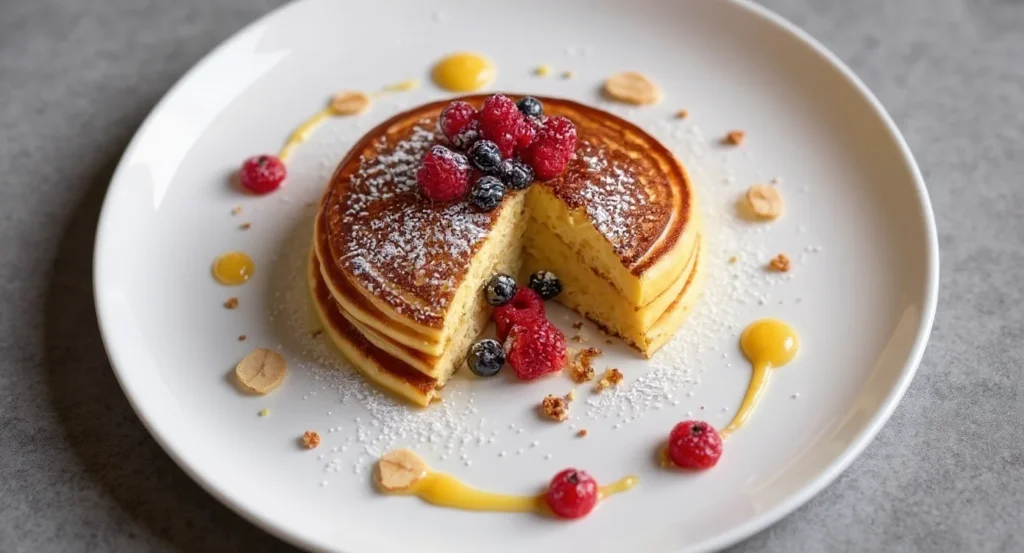
A classic German pancake is both dramatic and simple. It puffs high in the oven and then folds into a tender, custardy center. The crisp, golden edges add a rich, buttery flavor to every bite, making breakfast feel special.
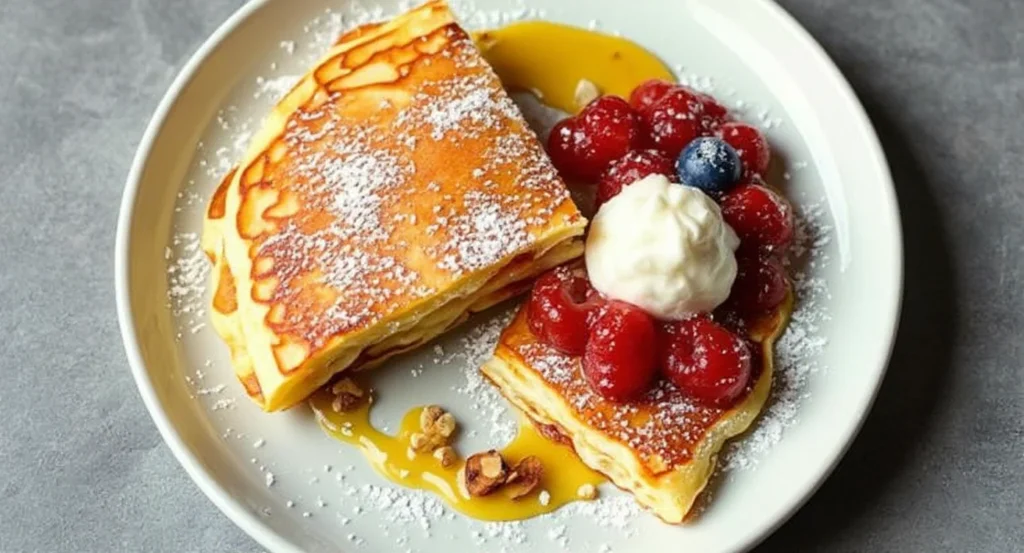
The dish has its roots in Central European kitchens. There, a Pfannkuchen-style batter was cooked in skillets for family meals. German immigrants brought it to the United States, where it evolved into the baked German pancake we know today.
In American cookbooks, it became known as a showy oven pancake. It’s perfect for brunch and Sundays.
History and origins of the traditional German pancake dish
The traditional German pancake started as simple, egg-heavy skillet cakes in Germany and Austria. Home cooks used eggs, milk, and flour to stretch food for the table. When baked in a hot, buttered pan, steam caused a dramatic rise.
German-American communities kept the technique alive. They adapted it to ovens, turning a weekday staple into a centerpiece brunch dish.
How it differs from Dutch baby pancakes and popovers
All three recipes share a similar batter base. Yet, small changes shape the outcome. The Dutch baby, popularized in Seattle by Manca’s, is a regional name with slight tweaks to sugar and vanilla for a sweeter finish.
Popovers use more flour relative to liquid and bake in muffin tins. They create hollow, chewy cups rather than a single puffed pancake. Our approach aims for a custardy middle, dramatic oven lift, and crisp edges—traits that mark a true baked German pancake recipe.
What “authentic” means for texture and flavor
Authentic means a visibly puffed rim and a soft, creamy center. Flavor leans buttery with a warm vanilla note and just enough sweetness. We count on three things to deliver this: hot, buttered pans for instant steam, whole fresh eggs for structure and richness, and real butter for depth.
Those elements give the traditional German pancake recipe the mouthfeel and aroma home cooks expect.
Essential German Pancake Ingredients for the Perfect Batter
We want your German pancake to puff, brown, and taste like a weekend celebration. Start with simple, high-quality ingredients and a clear plan. Small changes make big differences in texture and flavor.
If you love baking with classic ingredients, try our super chewy chocolate chip cookies—they’re the perfect partner to a weekend German pancake brunch, and just as easy to whip up!
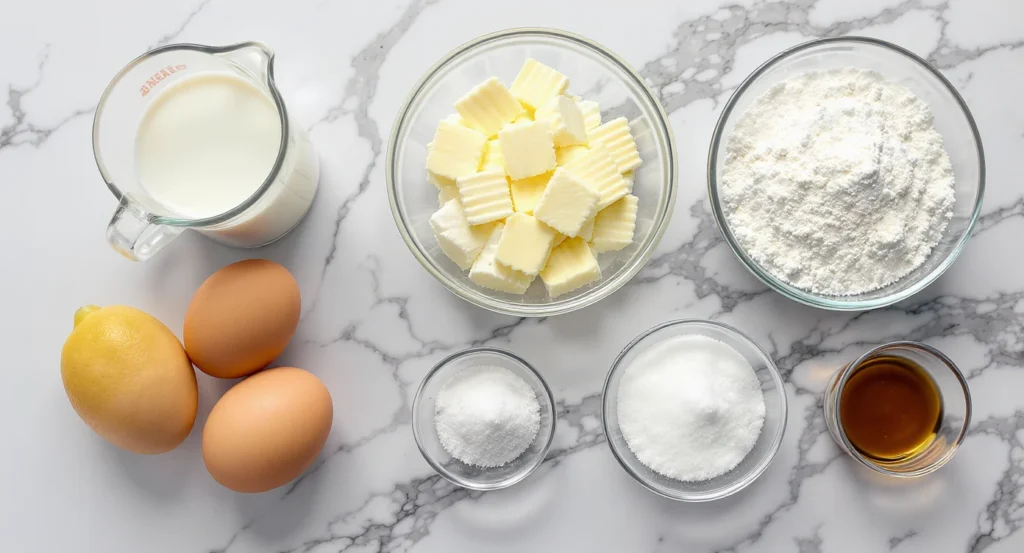
Key ingredients: eggs, milk, flour, butter, and vanilla
Use 6 large eggs at room temperature, 1 cup whole milk, 3/4 cup all-purpose flour (sift if lumpy), 2 tablespoons granulated sugar, 1/2 teaspoon kosher salt, 4 tablespoons unsalted butter for the pan, and 1 teaspoon pure vanilla extract. Add an optional pinch of cinnamon or a teaspoon of lemon zest for aroma.
Ingredient quality tips for a fluffy result
Choose fresh, large eggs and bring them to room temperature for better aeration. Whole milk gives the richest crumb, while 2% will still work. For flour, pick unbleached all-purpose and measure by spoon-and-level to avoid dense batter. Curious about the nutrition in grains? The official MyPlate Grains Guide from the USDA spells out healthy flour and grain choices that support balanced breakfasts.
Use European-style butter such as Kerrygold or Plugrá for higher butterfat. Pure vanilla extract beats imitation for authentic flavor. If your flour is lumpy, sift to prevent pockets of dry flour that ruin lift. For safe baking with flour, follow food safety tips from the FDA on flour handling, and learn how to keep raw ingredients risk-free with Home Food Safety guidelines by food safety professionals.
Substitutions and dietary adaptations
- Gluten-free: swap in a 1:1 gluten-free baking blend and add 1/4–1/2 teaspoon xanthan gum if the blend lacks binder. Expect a slightly different crumb and color.
- Dairy-free: use unsweetened almond milk or oat milk. Replace melted butter with a neutral oil like avocado or light olive, or use a dairy-free spread. Heat the fat in the pan before pouring batter to mimic steam lift.
- Egg-free/vegan: eggs are key for structure and rise. For a vegan attempt, whip aquafaba until foamy and combine with a commercial egg replacer. Results will not match the classic rise, but flavors can be close.
If you prefer to make a german pancake recipe without blender, whisk ingredients by hand until smooth. For a german pancake recipe with vanilla, never skimp on pure extract. Keep proportions consistent to preserve rise and texture.
Step-by-Step: Homemade German Pancake Recipe from Scratch
We love the theatrical puff of a classic German pancake. Follow these clear steps for a dramatic rise, tender interior, and crisp, golden edges. Enjoy a perfect german pancake recipe for breakfast!
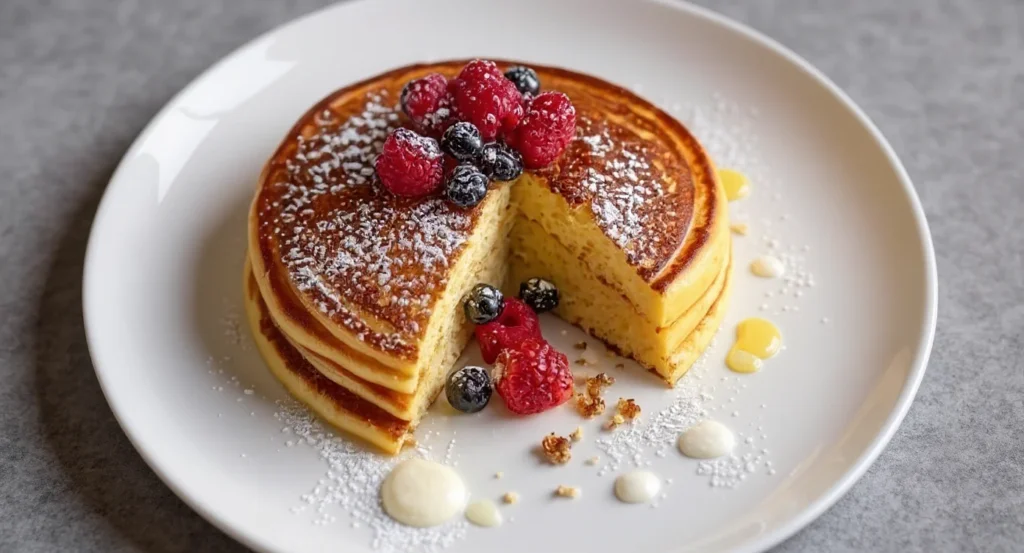
Preparing the pan and preheating the oven
Preheat the oven to 425°F for a gentle rise or 450°F for taller edges. Use a 10–12 inch cast-iron skillet or an ovenproof pie dish for even heat.
Place 2–4 tablespoons of butter in the skillet and set it in the oven while it preheats. Let the butter melt and become very hot without smoking. That sizzle creates steam when the batter hits the pan and helps the pancake puff dramatically.
Mixing the batter without overworking it
Whisk eggs lightly first to break the yolks. Add milk and 1 teaspoon vanilla, then whisk until blended.
- In a separate bowl, stir together 1 cup flour, 1–2 tablespoons sugar, and a pinch of salt.
- Pour the wet ingredients into the dry. Whisk just until smooth. Stop when no large lumps remain to keep the batter airy.
- Optional: strain the batter through a fine sieve for a silkier texture.
Let the batter rest 5–10 minutes to hydrate the flour. Avoid resting more than 30 minutes so the lift stays strong.
Baking technique for an even rise and golden edges
Remove the hot skillet from the oven. Swirl the melted butter so it coats the bottom and sides. Pour the batter in immediately and return the skillet to the oven without delay.
- Bake 15–20 minutes until the center is set and the edges are deep golden-brown.
- Avoid opening the oven frequently; a steady oven temperature is vital for an even rise.
- If you want extra color, finish under the broiler for 30–60 seconds while watching closely.
Serve at once so the dramatic puff is enjoyed warm. This method delivers a fluffy German pancake recipe with crisp edges and a tender middle every time.
Techniques to Achieve a Fluffy German Pancake Every Time
We want your German pancake to puff up like a cloud every time. Small technique changes make a big difference. Use these practical tips to get reliable lift, even if you skip a blender.
Whisking eggs and aeration methods
Beat whole eggs just long enough to add air. Use a whisk or a handheld mixer on low for about 20–30 seconds. Stop when the mixture looks blended and slightly pale, not foamy.
If you want extra rise, try an advanced trick: separate eggs, whip the whites to soft peaks, then fold them into the batter gently. This step gives real lift while keeping texture light.
Temperature control and resting the batter
Bring eggs and milk to room temperature before mixing. Warm ingredients blend better and steam more in the oven, which helps puff.
Preheat the oven and the pan until the fat is shimmering hot. A cold pan prevents the quick steam burst the pancake needs. Let batter rest 5–10 minutes to hydrate the flour and relax gluten. Don’t chill; long rests cut rise.
Common mistakes that deflate your fluffy german pancake recipe
- Cold pan or underheated oven kills lift. If that happens, raise oven temp slightly and reheat your pan for a minute.
- Overmixing develops gluten and flattens the pancake. Fold gently and stop when the batter is smooth.
- Opening the oven early drops the center. Keep the door closed until the edges are set.
- Using only low-fat milk reduces steam and richness. Use whole milk or a richer alternative for better rise.
- Overloading the pan with toppings before baking weighs it down. Add fruit or syrup after the bake.
If your pancake still deflates, try these quick corrections: increase oven heat by 25°F, preheat the skillet longer, fold the batter lightly, and bake immediately. These fixes help rescue a near-perfect batter and give you a reliably fluffy german pancake recipe without blender reliance.
Easy German Pancake Recipe Variations for Breakfast
A simple german puff pancake recipe can change with just a few tweaks. These quick changes keep the batter the same but add different toppings or mix-ins. Choose one for brunch, adjust the size, and serve with a touch of flair!
Feeling adventurous with your breakfast menu? Swap in a side of sweet, nutritious healthy pumpkin bars for a seasonal flair that perfectly complements both sweet and savory German pancake variations!
Classic, bright, and easy. Serve warm right out of the oven.
- Serving: Cut into wedges for two to four people, or make individual minis in 6-inch skillets for single portions.
- Finish: Dust with powdered sugar and add a squeeze of fresh lemon juice for contrast.
- Plating tip: Use a warm plate and a small fine-mesh sieve to create an even dusting for a polished brunch look.
For a sweeter, fruit-forward take, brighten the batter with vanilla and pile on seasonal fruit.
- Mix-ins: Stir a teaspoon of pure vanilla extract into the batter for aroma.
- Toppings: Spoon macerated berries, lemon curd, or maple syrup over slices. Caramelized apples—sauteed with butter, brown sugar, and cinnamon—make a cozy autumn favorite.
- Texture: Add whipped cream or mascarpone and finish with toasted almonds or granola for crunch.
Savory versions turn the german pancake breakfast into a brunch main course. Cut sugar, boost savory notes, and add complementary toppings.
- Batter tweaks: Omit added sugar and fold in chopped chives for a fresh bite.
- Cheese and meat: Sprinkle grated Gruyère or sharp cheddar before baking and top with crisp bacon or cooked breakfast sausage.
- Elevated plating: Use the pancake as a base for smoked salmon with a dollop of crème fraîche and chopped dill for an elegant serving.
- Timing note: Savory additions may change bake time slightly; check for a golden edge and set center.
We recommend trying one sweet and one savory version at your next brunch. Small changes give big flavor, and the same german puff pancake recipe adapts well to seasonality and guests’ tastes. Enjoy experimenting!
Tips for Making a German Pancake Recipe Without a Blender
We love how simple a homemade german pancake can be. You don’t need a blender for a silky batter or a dramatic oven rise. With a few smart moves and common kitchen tools, we can mix a smooth batter that yields the classic puffed edges and tender center every time!
Start with room-temperature eggs and milk. Warm ingredients combine more easily and give a consistent batter. Whisk the eggs first until they look pale and slightly frothy. Then, add milk and vanilla, followed by dry ingredients in one go. Use a large bowl so you can whisk without splashing.
Hand-mixing techniques to create smooth batter
Use a good stainless-steel whisk and keep strokes steady. Work in circles from the center, drawing dry flour into the wet mix. Stop once the batter looks uniform; a few tiny lumps are fine. Overmixing squeezes out air and makes the pancake dense.
For an extra-silky batter, sift flour through a fine-mesh sieve into the bowl. Sifting breaks up clumps and keeps the mixture light. If you want a loftier rise, separate one egg, whip the white until soft peaks form, then fold it in gently with a silicone spatula.
Tools to use in place of a blender
- Hand whisk — low cost, full control of texture.
- Electric whisk or hand mixer on low — speeds up whisking without overworking the batter.
- Immersion blender — use short pulses if you need a smoother finish, but don’t run it continuously.
- Fine-mesh sieve — crucial for lump-free flour and a smooth mouthfeel.
- Silicone spatula — ideal for gentle folding of whipped egg whites.
When a blender can help and when it’s unnecessary
A blender saves time. It whips a perfectly smooth batter in seconds. Busy mornings or large batches benefit from a blender’s speed. Run it briefly to avoid overmixing and warming the batter.
Most home cooks don’t need a blender to make a classic german pancake. We can trust simple tools and careful technique to deliver the right texture. Keep your approach confident and enjoy the process—no fancy gadgets required!
Serving Suggestions and Topping Ideas for German Pancake Breakfast
We love a simple, show-stopping finish for a homemade german pancake. Bright citrus, soft fruit, or warm spiced toppings turn a fluffy german pancake into a memorable meal for family or guests. Below are easy, practical ideas to serve at home or for a weekend brunch.
Traditional finishes are quick and classic. They work well when you need a fast, pretty plate for four or more.
- Powdered sugar and a fresh squeeze of lemon. Aim for 1–2 teaspoons of powdered sugar per serving and a light lemon wedge per plate.
- Berry jam or fruit preserves. Spoon about 1 tablespoon per pancake so the fruit complements, not soaks, the batter.
- Plating tip: fold or slice the pancake, dust sugar last, then add lemon or jam so colors pop on the plate.
Creative toppings add texture and warmth. These are great for a special weekend or when you want to impress.
- Caramelized apples: sauté thin apple slices with 1 tablespoon butter and 1 tablespoon brown sugar until soft. Spoon over the pancake.
- Mixed berry compote: simmer 1 cup berries with 1–2 teaspoons maple syrup for 4–5 minutes. Serve warm with a dollop of whipped cream or Greek yogurt.
- Lemon curd or mascarpone for richness. Sprinkle toasted almonds or granola for crunch and contrast.
- Savory option: smoked salmon with a smear of crème fraîche, or sautéed mushrooms with fresh thyme for a brunch twist.
Pairings shape the whole breakfast experience. Choose drinks and sides that match the pancake’s tone.
- Coffee: an Americano or a latte pairs well with buttery edges and sweet toppings.
- Tea: black tea or an Earl Grey for citrus finishes; herbal tea for fruit-forward toppings.
- Fresh-squeezed orange juice or sparkling wine for celebrations.
- Sides: crispy bacon, breakfast sausages, or roasted potatoes add savory balance. A mixed-green salad lightens the plate for a midday brunch.
Portion guide: plan one standard baked pancake per two people if you serve multiple sides, or one pancake per person for a main-course breakfast. These serving ideas keep your fluffy german pancake bright, balanced, and crowd-pleasing every time!
Comparing Classic German Pancake, Dutch Baby, and Popover Pancake Recipes
We love comparing puffed breakfasts. Here’s how batter, texture, and cooking method differ. Use this guide for your next brunch or morning!
Texture and batter differences explained
The classic german pancake and dutch baby have a thin, custardy batter. This creates a dramatic rim and a tender center. Their batter is quite liquid, which helps them puff high and settle into a soft core.
Popover batter is a bit thicker. It’s poured into individual cups, making them hollow inside and chewier. This thicker batter gives popovers their signature pockets, perfect for fillings.
Cooking method contrasts: skillet versus muffin tin
Cooking in a hot skillet, like cast iron, makes one large pancake. It has crisp edges and a tall rim. Quick steam from hot butter or oil is key for puffing.
Using a muffin tin or popover pan makes individual portions. Each cup rises with a hollow center. The hot fat technique is scaled down for faster cooking.
Which recipe to choose for special occasions or everyday breakfast
- Pick a dutch baby pancake recipe for weekend brunch. It’s impressive and shareable.
- Choose a german popover pancake recipe for individual servings. They’re great for filling with savory or sweet treats.
- Opt for a classic german pancake on busy mornings. It’s simple, with one pan and tender texture.
- Time: popovers cook per portion, dutch baby is faster as one pan.
- Serving size: choose individual popovers for guests, dutch baby for sharing.
- Desired texture: custardy and tender for dutch baby and classic german pancake, hollow and chewy for popovers.
Make-Ahead, Storage, and Reheating Tips for German Puff Pancake Recipe
We love planning ahead for busy mornings. Keeping our German puff pancakes tasting great is key. Here are simple steps to lock in flavor and restore the original puff and crisp edge. These tips work well in home kitchens.
How to store leftovers to preserve fluffiness
Cool the pancake completely on a wire rack. This stops steam from making the base soggy.
Wrap loosely in foil or place in an airtight container. Store in the refrigerator for up to two days for best texture and flavor.
Expect the dramatic oven rise to deflate as it cools. Storage focuses on preserving taste and some texture, not the full puff.
Best reheating methods to revive texture
- Oven: Preheat to 350°F and reheat on a baking sheet for 6–8 minutes to crisp the edges and warm the center.
- Toaster oven: Use the same timing for single portions for fast, even reheating.
- Skillet finish: If edges need crisping, give the warmed pancake 30–60 seconds per side in a hot skillet with a small pat of butter.
Avoid the microwave when possible. It can make the pancake soggy and rubbery. If you must use it, heat in short 15–20 second bursts, then crisp briefly in a hot skillet.
Freezing options and how to reheat from frozen
Freeze cooled slices flat between sheets of parchment in an airtight freezer bag. This prevents sticking and keeps layers intact.
Store frozen for up to one month. Label the bag with the date so you can rotate items easily.
- Reheat from frozen in a 350°F oven for 10–12 minutes.
- Cover loosely with foil for most of the time, then remove foil for the last 2 minutes to restore crispness.
These methods keep freezing German pancake portions simple. They ensure the best result when reheating German pancake recipe items for weekday breakfasts.
Conclusion
Discovering the authentic German pancake recipe is surprisingly easy. It requires just a few ingredients but needs careful technique. Start with room-temperature eggs and milk. Make sure your pan is hot before adding the batter.
Mix the ingredients gently to avoid making the batter tough. Then, bake in a very hot oven. This will give your pancakes a dramatic rise and a golden, crispy edge.
We explored different ways to enjoy German pancakes, from sweet to savory. You can also make the batter without a blender. Tips for storing and reheating help keep your pancakes fluffy.
Freezing options make this recipe great for planning ahead. Now, it’s your turn to try it out. Get creative with toppings and share your creations!
Save this guide for your next weekend brunch. Follow us for more easy and fun recipes. Let’s make cooking a joyful and creative experience.
Meta title: Discover the Secret to the Most Authentic German Pancake Recipe Ever. Meta description: Learn a traditional German pancake recipe with simple ingredients and pro techniques for a fluffy german pancake breakfast. Use this authentic german pancake recipe and traditional german pancake recipe to level up your weekend menu.
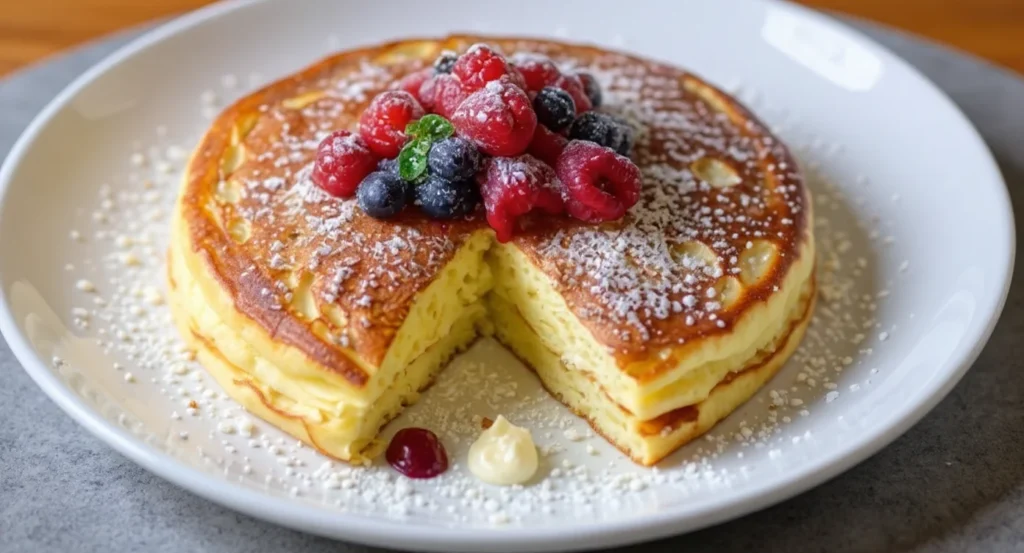
Authentic German Pancake Recipe
Short Description
This classic German pancake puffs dramatically in the oven and delivers a tender, custardy center with crisp, golden edges. Easy for beginners and brunch-lovers, it’s a festive breakfast that’s simple, versatile, and delicious. Serve with powdered sugar, lemon, fruit, or savory toppings for a bright start to your day!
Recipe Details
- Serving Size: 2–4 servings per pancake
- Prep Time: 10 minutes
- Cook Time: 15–20 minutes
- Total Time: 25–30 minutes
Ingredients per Serving
- 3 large eggs (room temperature)
- 1/2 cup whole milk
- 6 tablespoons all-purpose flour (sifted if lumpy)
- 1 tablespoon granulated sugar
- 1/4 teaspoon kosher salt
- 2 tablespoons unsalted butter (for the pan)
- 1/2 teaspoon pure vanilla extract
- Optional: pinch of cinnamon or lemon zest
Nutritional Facts
- Calories: ~170 per serving
- Protein: ~7g
- Carbohydrates: ~18g
- Fat: ~8g
- Fiber: ~0.5g
- Sodium: ~170mg
- Sugar: ~6g
Instructions
Step 1
Preheat your oven to 425°F for a gentle rise or 450°F for extra tall edges. Place a 10–12 inch cast-iron skillet or ovenproof dish in the oven with the butter so it melts and gets very hot as the oven preheats.
Step 2
Lightly whisk the eggs in a large bowl to break the yolks. Add milk and vanilla and whisk until evenly blended.
Step 3
In a separate bowl, mix the flour, sugar, and salt. Pour wet ingredients into dry and whisk until there are no large lumps (don’t overmix). Rest batter for 5–10 minutes to hydrate the flour.
Step 4
Remove the hot skillet from the oven and swirl butter to coat the bottom and sides well. Immediately pour the batter into the hot pan.
Step 5
Bake 15–20 minutes until the pancake is puffed, edges are deep golden, and the center is just set. Avoid opening the oven during baking for the best rise.
Step 6
Serve straight from the oven while puffed. Finish with powdered sugar, lemon, or your favorite toppings. Enjoy!