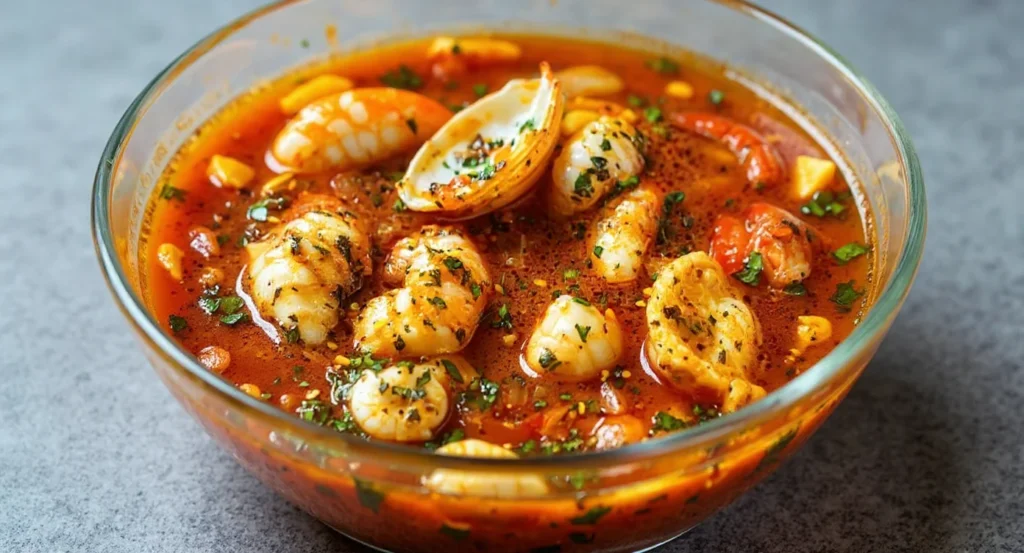
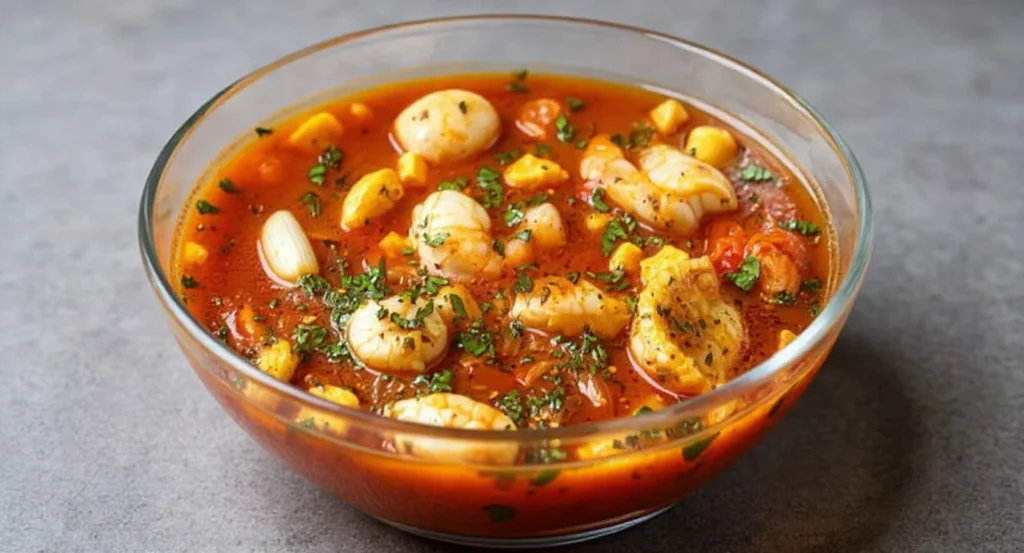
There’s nothing quite like gathering family and friends for a seafood feast. The air is filled with the smell of homemade seafood boil sauce. As a Gulf Coast native, I’ve enjoyed this Southern tradition many times. The secret to a great seafood boil is a sauce that’s rich, buttery, and full of spices and herbs.
If you love seafood feasts as much as I do, you’ll also want to check out this creamy and restaurant-worthy Easy Lobster Bisque for your next dinner party—it’s an absolute favorite!
In this article, I’ll share my favorite seafood boil sauce recipe. It will make your next seafood feast unforgettable. This recipe is perfect for both seasoned cooks and newcomers to seafood boils. It will help you create a sauce that everyone will love.
And if you’re craving even more seafood inspiration, these Easy Grilled Scallops are incredibly simple to make and bring out the best flavors of summer grilling.
Key Takeaways
- Discover the essential ingredients for a flavorful seafood boil sauce
- Learn the techniques for achieving the perfect balance of butter, garlic, and spices
- Understand the history and evolution of the classic Cajun seafood boil
- Explore ways to customize the heat level and flavor profile of your sauce. For a fun twist on your next seafood night, try serving your boil alongside a vibrant Spicy Citrus Grilled Shrimp Skewers recipe—the combo is always a crowd-pleaser!
- Uncover tips for storing and reheating your homemade seafood boil sauce
Understanding the Basics of Seafood Boil Sauce Recipe
Making the perfect seafood boil sauce is an art. It mixes flavors in a special way. The sauce’s heart is a few key ingredients that make it taste amazing. Let’s look at what makes up a seafood boil sauce and what you need to make it.
Essential Ingredients Overview
The base of a seafood boil sauce is butter and seafood boil mix. These two mix to give the sauce a rich, savory taste. This taste goes well with the seafood’s natural sweetness.
Base Components for Perfect Sauce
- Butter: It makes the sauce creamy and acts as a glue.
- Seafood boil mix: It adds a strong, Cajun-inspired flavor.
Equipment Needed
To make this seafood boil sauce, you need some tools:
- A heavy-bottomed saucepan or skillet for even heat.
- A whisk or wooden spoon for mixing.
- Measuring cups and spoons for exact ingredient amounts.
With the right ingredients and tools, you’re ready to make a butter sauce that will make your seafood boil better.
The History and Evolution of Cajun Seafood Boil
The Cajun seafood boil has roots in Louisiana’s culinary history, originating with French-speaking Acadian settlers exiled from Canada in the 18th century. This tradition, central to Louisiana’s culture, features a signature seasoning blend passed down through generations, with Cajun and crab boil spices adding robust flavor to every bite.”The Cajun seafood boil is not just a meal, it’s a way of life. It’s a gathering of friends and family, a celebration of the bountiful waters that surround us, and a testament to the resilience and ingenuity of a people who have carved out a unique culinary identity.”
Over the years, the recipes and techniques for Cajun seafood boils have changed. They’ve adapted to new tastes and ingredients. But the core elements of spices, seafood, and community have stayed the same.
Today, the Cajun seafood boil is loved by food lovers all over the United States. It’s not just a regional dish anymore. The aroma and spirit of this tradition bring people together, celebrating the rich history and culinary artistry of the Cajun people.
Key Ingredients for Your Garlic Butter Base
The perfect seafood boil sauce starts with a garlic butter base. This base is key for the flavors that follow. Let’s look at the essential ingredients that make it stand out.
Types of Butter to Use
The type of butter you choose greatly affects your sauce’s taste and texture. Unsalted butter gives a clean flavor, while salted butter adds a savory touch. Try different butters like European-style or cultured to find your favorite.
Fresh vs. Dried Garlic Options
Fresh and dried garlic both have their own strengths. Fresh garlic is lively and strong, while dried garlic is deeper and more intense. Mixing both can give your sauce a balanced garlic flavor.
Additional Aromatics
To make your sauce even better, add some extra aromatics. Shallots, parsley, thyme, lemon zest, or lime zest can add complexity. Play with different mixes to create your unique sauce.
Remember, the key to a truly exceptional seafood boil sauce lies in the garlic butter base. By carefully selecting the right butter, balancing fresh and dried garlic, and complementing with aromatic additions, you’ll create a sauce that will elevate your seafood feast to new heights.
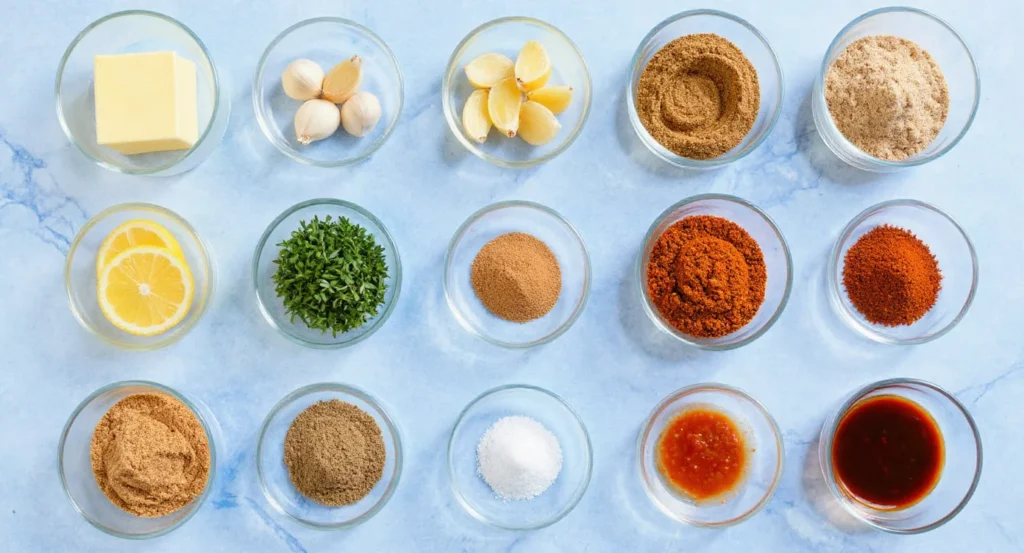
Mixing Your Perfect Spice Blend
Making the perfect seasoning blend is key to making your seafood boil sauce amazing. Mixing Old Bay seasoning with Cajun spices creates a perfect balance of flavors. This mix will make your seafood boil unforgettable.
Old Bay seasoning is a classic for seafood, with a unique taste. Cajun seasoning adds a bold, spicy kick. Together, they make a seasoning that enhances the seafood’s natural flavors.
- Start with Old Bay seasoning for a savory, peppery base.
- Add Cajun seasoning gradually to get the heat and flavor you want.
- Think about adding spices like paprika, garlic powder, and thyme for depth.
- Adjust the seasoning mix to match your taste. Some like more Cajun, others Old Bay.
Creating your own spice blend is all about experimenting.Discover the ideal blend that thrills your taste buds. Don’t hesitate to try new combinations and adjust the flavors until you’re happy.
“The secret to a great seafood boil sauce is in the spice blend. It’s all about finding the right harmony between the classic Old Bay and the bold Cajun flavors.”
With a bit of trial and error, you’ll make a spice blend that takes your seafood boil sauce to the next level. Enjoy the rich, aromatic flavors and the fun of making your own signature seasoning.
Step-by-Step Preparation Method
Crafting the perfect seafood boil sauce is an enjoyable adventure. Let’s go through the steps to make sure your sauce is amazing.
Proper Melting Technique
Begin by gently melting the butter over low heat. It’s important to avoid burning the butter, which can make the sauce taste bitter. Stir the butter often until it’s smooth and silky.
Combining Wet and Dry Ingredients
After the butter melts, add your dry spices and seasonings. Mix in the seafood boil seasoning, Old Bay, and other dried herbs or spices slowly. Stir well to spread the flavors evenly.
Then, add the wet ingredients like lemon juice, Worcestershire sauce, and hot sauce. Whisk the sauce gently to blend the flavors well.
Achieving the Right Consistency
The sauce should be smooth and easy to pour. If it’s too thick, add a little water or seafood stock and stir. If it’s too thin, let it simmer to reduce the liquid.
Remember, the secret to a great seafood boil sauce recipe is to taste and adjust the seasonings. This ensures the flavors are just right for you.
Customizing Heat Levels with Old Bay and Cajun Seasoning
Finding the right mix of heat and flavor is crucial for the perfect seafood boil sauce. You can adjust the heat by using Old Bay seasoning and Cajun seasoning in your sauce.
Old Bay seasoning, with its 18 spices and herbs, adds a warm, spicy kick. Start with a teaspoon in your garlic butter base. Then, add more until you get the heat you like, without overpowering the other tastes.
Cajun seasoning, with its paprika, garlic, and spices, brings a deeper heat. It’s great for a Cajun twist. Begin with half a teaspoon and adjust to taste.
To increase the heat even more, try hot sauce or cayenne pepper. But remember to balance the other flavors to keep the taste right.
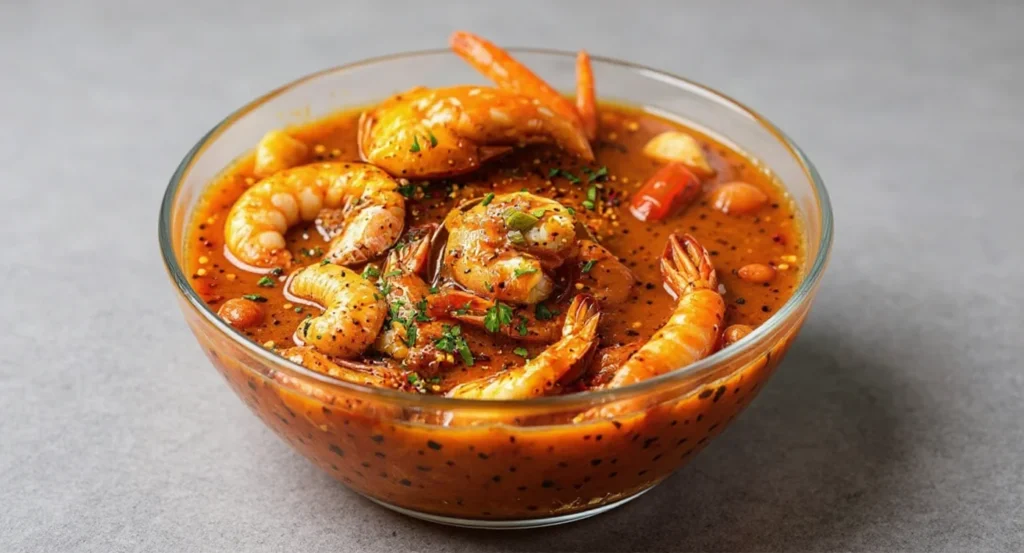
This seafood boil sauce recipe is all about flexibility. Mix Old Bay and Cajun seasoning to find the perfect heat for you and your seafood.
Tips for Storing and Reheating Your Sauce
After making your seafood boil sauce, it’s crucial to store and reheat it right. This keeps the flavor and texture perfect. Knowing how to store and reheat your butter sauce ensures it’s ready for your next seafood meal.
Storage Container Options
Keeping your sauce fresh starts with the right container. Choose airtight glass or high-quality plastic containers with tight lids. This keeps flavors in and odors out.
- Glass jars or containers with airtight lids
- Sturdy plastic containers with snap-on or screw-top lids
- Freezer-safe bags, removing as much air as possible before sealing
Reheating Guidelines
To reheat your sauce, follow a few easy steps. Heat it gently over low heat, stirring often to avoid scorching or separation. Reheating sauces can sometimes be tricky, especially for dairy or butter-based ones. For more food safety pointers and reheating best practices, check out the handy info from the USDA’s Food Safety and Inspection Service.
- Transfer the desired amount of sauce to a saucepan or skillet.
- Heat the sauce over low to medium-low heat, stirring constantly, until it’s heated through.
- Avoid boiling the sauce, as this can cause the butter to separate or the texture to become grainy.
- If the sauce seems too thick after reheating, you can thin it out by adding a small amount of water or broth and stirring well.
By storing and reheating your sauce correctly, you can enjoy it many times. This ensures its flavor and quality stay the same. If you’re curious about proper food safety when working with seafood, the FDA’s advice about eating fish is an authoritative source for fresh, healthy meals.
Pairing Your Sauce with Different Seafood Types
Homemade seafood boil offers endless possibilities. Your flavorful sauce pairs well with many seafood types, like shrimp and lobster. It’s all about matching the sauce’s flavors with the seafood’s natural taste.
For shrimp, the sauce’s garlicky butter base is a perfect match. It brings out the shrimp’s sweetness. The Cajun seasonings add a nice spice, making each bite exciting.
Crab or lobster gets a boost from the sauce’s butter and herbs. The subtle heat adds a fun twist. This makes the seafood’s sweetness shine.
Mussels or clams get a flavorful broth from the sauce. The garlic, herbs, and spices make them taste amazing. Adjust the sauce to find the best match for your seafood, and watch your guests love it.
Seafood Boil Sauce Recipe
Short Description
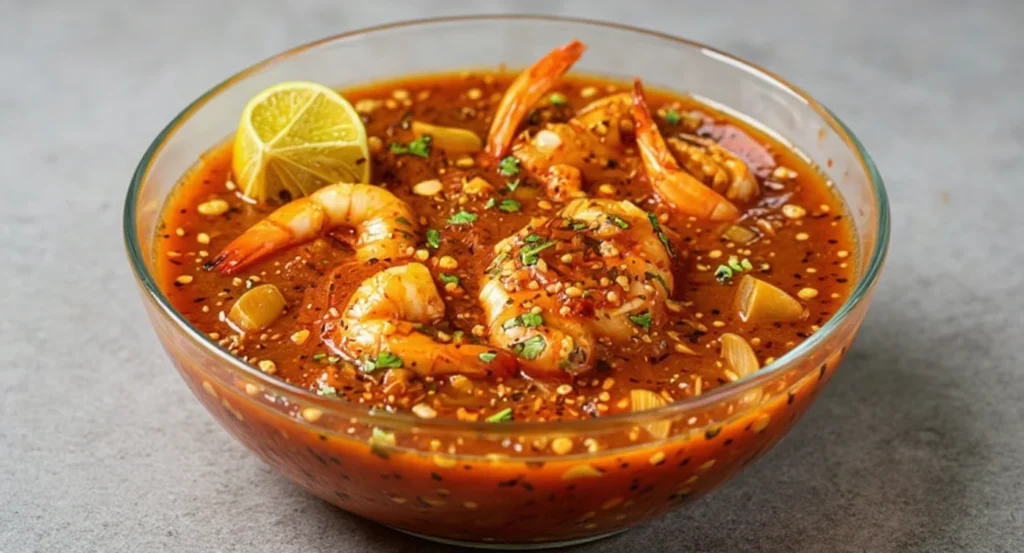
This homemade seafood boil sauce is rich, buttery, and packed with Cajun flavors. It’s perfect for dipping or pouring over shrimp, lobster, crab, or any seafood feast. The blend of spices and fresh garlic creates a bold Southern taste that will make your next seafood boil unforgettable!
Recipe Details
- Serving Size: 1 generous cup (enough for 2–4 servings)
- Prep Time: 5 minutes
- Cook Time: 10 minutes
- Total Time: 15 minutes
Ingredients per Serving
- 1/2 cup unsalted butter
- 2–3 cloves garlic, minced (or 1 tsp garlic powder)
- 1½ teaspoons seafood boil mix
- 1 teaspoon Old Bay seasoning
- 1/2 teaspoon Cajun seasoning (or more for heat)
- 1 tablespoon lemon juice
- 1 teaspoon Worcestershire sauce
- 1/4 teaspoon paprika
- Pinch of thyme or parsley, finely chopped
- Salt and pepper to taste
- Optional: splash of hot sauce or cayenne for extra kick
Nutritional Facts
- Calories: ~180 per serving
- Protein: 2g
- Carbohydrates: 2g
- Fat: 19g
- Fiber: 0g
- Sodium: 300mg (varies by seasoning used)
- Sugar: 1g
Instructions
Step 1
Melt the butter in a heavy-bottomed saucepan over low heat, stirring often to avoid burning and create a silky base.
Step 2
Add the garlic (fresh or dried) and sauté gently until fragrant, about 1 minute.
Step 3
Stir in the seafood boil mix, Old Bay, Cajun seasoning, paprika, and thyme or parsley. Let them blend into the butter.
Step 4
Pour in the lemon juice, Worcestershire sauce, and a dash of hot sauce if you want extra spice. Stir well to combine.
Step 5
Let the sauce simmer gently for 2–3 minutes to meld the flavors. Taste and add salt or pepper as needed.
Step 6
Adjust thickness if needed by adding a splash of water or seafood stock, or by simmering to reduce. Serve your sauce warm over seafood or as a tasty dip. Enjoy!